
5,000-year-old necropolis found outside Cairo
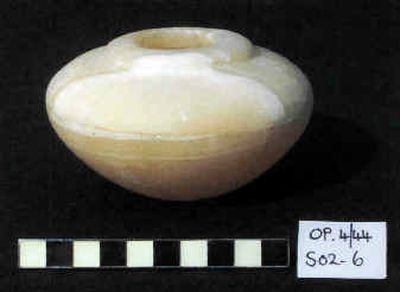
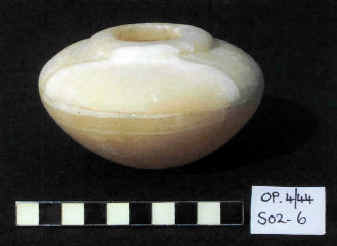
CAIRO, Egypt – Archaeologists have unearthed a 5,000-year-old necropolis with 20 well-preserved tombs in a poor neighborhood just outside Cairo, Egyptian authorities announced Sunday.
The site in the suburb of Helwan is a mix of small, plain tombs and larger ones meant for the middle and upper classes, with some containing alabaster, limestone, clay and copper pots and pans, the statement said.
The necropolis also contains a limestone relief with early uses of hieroglyphic texts, according to Christian Kohler, head of the Australian team of archaeologists.
“It is a duty to protect this magnificent archaeological site from the urban expansion which represent a major threat to (Helwan’s) monuments,” she said, quoted in a statement from Egypt’s Supreme Council of Antiquities.
Two large limestone tombs found at the site date to the Old Kingdom, 2575-2134 B.C. and contain a collection of small chapels and niches.
Helwan, some 15 miles south of Cairo, is a heavily populated industrial area located across the Nile River from the pyramids of Saqqara, also a cemetery site.
Helwan is the biggest known cemetery in Egypt of the Early Dynastic Date. More than 10,000 tombs have been excavated there.
Some of the tombs are large and are believed to have belonged to individuals of high status.
Many other tombs evidently belonged to common citizens.
At Helwan, tombs of the lower social classes typically have been found in fields. The dead in the tombs typically were placed in a curled position. The corpses were wraped in linen bandages.
The graves feature written Egyptian language and support theories that writing developed independently there and was not brought from ancient Babylon.