
Gas prices decline
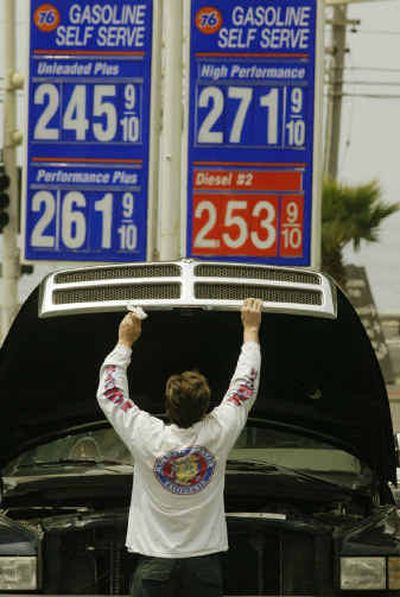
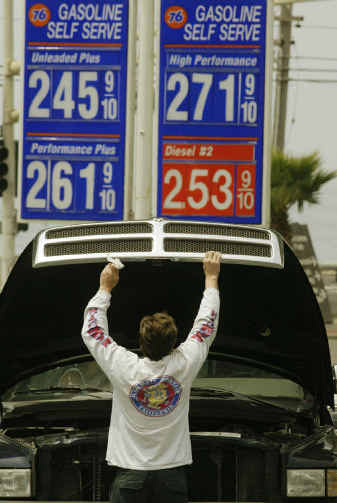
WASHINGTON — Gasoline prices, which dipped under $2 a gallon for the first time in weeks, “may be turning a corner” and should continue declining this summer, though motorists shouldn’t expect dramatic decreases at the pump, the Energy Department said Tuesday.
Guy Caruso, administrator of the department’s Energy Information Administration, told a Senate committee that retail gas prices fell by about 3 cents a gallon last week on a national average and that wholesale prices declined by 23 cents a gallon from their peak in mid-May.
These developments “should result in further reductions in retail prices in coming weeks,” Caruso told the Senate Energy and Natural Resources Committee. “Absent major disruptions, oil and gasoline markets may be turning a corner.”
He said the EIA’s analysis recently lowered its forecast for gas prices in June by 3 cents a gallon and forecast that gasoline prices are expected to continue to fall beyond this month.
Caruso said there appeared to be an “improved balance” between gasoline supply and demand and an expectation in the markets of lower crude oil prices.
The price of crude, which peaked at around $42 a barrel in late May, is expected to ease to around $35 a barrel later this year, Caruso said.
But Caruso warned that this price adjustment would not bring back cheap gasoline prices and that motorists should be prepared to spend close to $2 a gallon for some time.
The Senate hearing was expected to focus on the lack of refinery capacity in the United States, which industry officials have said is contributing to the tight gasoline market.
Red Cavaney, president of the American Petroleum Institute, the industry trade group, said that gasoline inventories have been increasing and that refinery constraints should not be viewed as a significant barrier, as some industry officials claim. Refineries should be able to increase production another 2 percent without encountering problems, he said.