
Vegas stock riding high
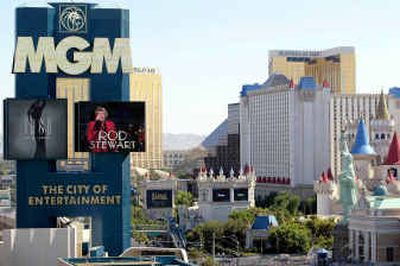
Vegas is back, baby.
After years of sulking about everything from job losses to terrorism, war and the sickly stock market, gamblers are rolling the dice again. Gambling is even trickling back into pop culture: There are two reality shows airing about life at casinos and even a prime-time network drama about Las Vegas.
All this attention on Sin City has been a blessing for investors in every aspect of gambling, such as Las Vegas’ giant resorts, smaller casinos and makers of slot machines.
While the broad market this year has been acting as stale as a Vegas lounge act, casino stocks have been rocking. Consider that shares of Mandalay Resort were up 35 percent this year even before MGM Mirage made its $4.9 billion takeover offer earlier this month — and jumped another 17 percent the Monday after the bid. Station Casinos sports a 60 percent 2004 gain, and Wynn Resorts shares are up 54 percent this year, despite the fact its only Las Vegas casino won’t open until next year.
Gambling companies have almost unanimously reported stellar earnings all year that were even better than expected. Just before MGM made its move, Mandalay reported earnings for its first fiscal quarter of $87.3 million, nearly double a year ago.
What else is driving the revival in Vegas and gambling stocks?
•The economy. Many say rising fortunes in Las Vegas and gambling stocks show the economy is moving out of recovery and back into expansion. People don’t gamble as much when they’re worried about jobs. “Most economists think the economy is better, and we’re seeing that on better spending in Las Vegas,” says analyst Dennis Forst.
Nearly 9.3 million visitors had flooded Las Vegas through March, the latest data available. That’s up 6.4 percent from a year earlier — five times the growth rate for all of 2003.
Las Vegas can credit part of its bounce to a recovery in overall business activity. As businesses improve, they send more employees to conventions. During March, attendance at conventions rose 4.3 percent from 2003, and the number of conventions held rose 1.5 percent.
“For investors in gaming stocks, there’s not much to frown on,” says Deutsche Bank analyst Marc Falcone.
• The Vegas population. Part of the success, though, has been the growth of Vegas as a place to live, not just visit. Its population has more than tripled since 1980. That means more casino employees, construction workers and other workers living in Vegas, many with the itch to wager. That’s been the key driver at Station Casinos, which operates 11 casinos that cater to locals, President Lorenzo Fertitta says.
Unlike the megaresorts that make most of their money from Celine Dion concerts, pricey hotel rooms and shopping, Station gets 80 percent of its profit from gaming, Fertitta says. The more people living in Vegas, the better, he says.
• Gambling outside Vegas. You can’t describe the recovery in gaming without mentioning the growth outside Vegas. American Indian casinos are the new growth opportunity. Nationally, American Indian casinos bring in more revenue than every casino in Nevada’s Clark County, which includes Las Vegas.
Vegas’ players are cashing in. Station, for instance, manages gaming operations for an American Indian casino near Sacramento and has deals to manage four more.
Makers of gaming devices, especially makers of slot machines such as International Game Technology, have been the big winners.
But as all gamblers know, good luck can run dry — something gaming stock investors should remember.
Robin Farley, analyst with UBS, says the strong growth in Vegas early this year was largely the result of the drought in 2003 and will likely slow. She says MGM’s bid for Mandalay shows there’s concern that growth on the Strip is slowing. “Despite the spin, there’s very limited growth,” she says.