
His heroism should never be forgotten
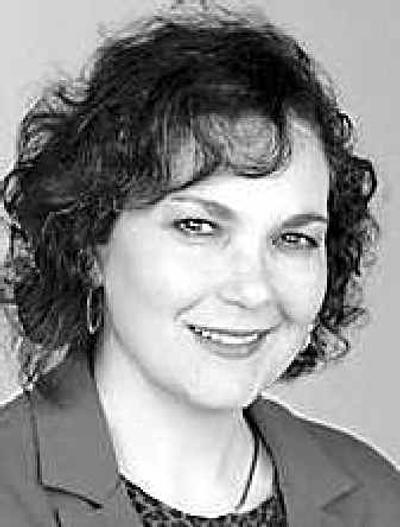
Bruce Grandstaff of Spokane died May 18, 1967, in Vietnam. He was 32. The last hours of Grandstaff’s life were filled with such heroism that he was awarded a Medal of Honor. This is a big deal. Only 3,459 have been awarded in our nation’s history. And just a handful of the recipients hailed from the Inland Northwest. Grandstaff was one of them.
For the past two weeks, in anticipation of Veterans Day, I’ve been researching Grandstaff’s story. I first heard about him after my column on Joe E. Mann, a World War II Medal of Honor recipient from Reardan.
Al True, a Spokane Valley resident, called and asked me if I knew anything about Spokane’s posthumous recipient, Bruce Grandstaff. True worked with him here in the 1960s. He had once called all the Grandstaffs in the phone book, looking for relatives still in town, but didn’t locate any. True worried that time had forgotten Grandstaff.
Through the VirtualWall.org Web site, I located Alan Kaul, Grandstaff’s first cousin who lives in California. He is 62, a television news producer for NBC. Kaul is writing a book about the soldiers Grandstaff trained at Fort Lewis in the 1960s. Many were killed in Vietnam.
“I think it’s important to tell his story, because it is so unknown,” Kaul said.
Grandstaff graduated from North Central High School in 1952. Kaul idolized his older cousin. He tagged along with him to movies at the Garland Theater. “He taught me how to drive in his 1951 Buick,” Kaul remembered. “We’d take these long drives. Every Sunday, we’d go to Lewiston and get a milkshake and hamburger.”
Grandstaff enlisted in the Army in 1954, served his time, got out, worked here, married, had two daughters and then went through a wrenching divorce. Afterward, he re-enlisted. By the time he was sent to Vietnam, he was happily remarried and raising his two daughters from that first marriage.
Kaul gave me the e-mail addresses of soldiers who knew him in Vietnam. John Barclay, a retired judge from Phoenix, remembered getting off a helicopter in a battle area. “The first person who greeted me was Bruce Grandstaff. He was a physical specimen. It was like a freshman football player walking up to a legendary coach. He said, ‘Young man, welcome to B Company. I’m the platoon sergeant.’ “
The day Grandstaff was killed in Vietnam, Kaul was working at KREM. A story came over the wires reporting that a platoon sergeant had called artillery down on his own position, a sacrifice to save others.
Kaul thought, “That sounds like something Bruce would do.” It was.
Grandstaff and two dozen of his men were on a reconnaissance mission near the Cambodian border. They were being fired upon from three sides. Several of his men were struck down. Bruce crawled through intense fire to try to save them. He was wounded several times while signaling, with smoke grenades, his location to U.S. helicopters. He destroyed one enemy position with hand grenades. When he realized his position was being overrun, he asked for artillery directly on top of them.
Grandstaff died, but his actions stopped the enemy’s advance. Trees blown down by the U.S. helicopters camouflaged some of the men. Others played dead. Eight survived and credit Grandstaff with their lives. His third daughter was born the same week he was killed.
His grown daughters all live elsewhere now. Grandstaff’s parents are both dead. This newspaper’s library file on Grandstaff is thinner than the file on Joe E. Mann, a reflection, perhaps, of the ambivalence about Vietnam.
Grandstaff’s grave marker blends in with all the other markers in the “Honor” section at Greenwood Memorial Terrace in north Spokane. The day I visited his grave, it seemed sad that this was all that remained of him, a cold stone in a cold cemetery.
But finally my reporting led me to North Central High School. Grandstaff’s Medal of Honor, along with his other medals, including a Silver Star and Purple Heart, are displayed there.
He is remembered, after all. This is good.