
Low-cost animal clinic opens

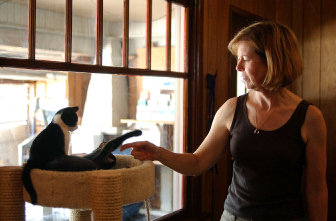
Spaying and neutering may soon be a walk in the park for low-income pet owners.
Pet Savers recently purchased a home and acre of property on East Trent Avenue for use as a low-cost spay and neuter clinic and private dog park.
“We try to target no-income or low-income clients who can just barely make it,” said Susan Anderson, 52, who serves on the nonprofit’s board of directors.
The clinic opened in May, with staff and volunteer veterinarians performing surgeries in a renovated bedroom in a craftsman-style home that once served as Ed’s Market.
Sterilizations cost $20 for male cats and $35 for females. Surgeries for both male and female dogs run $50 and all prices include basic checkups.
The clinic accepts discount vouchers from Spokanimal and Spokane County Regional Animal Care and Protection Services.
Deb Baldwin, director of Pet Savers, said the nonprofit is a collaborative effort. “We’re able to keep our prices low because we work with a lot of volunteers.”
Thus far, the clinic operates 12 days a month, but Baldwin plans to open eight additional days a month as soon as enough paid staff and volunteers are on board.
Property surrounding the house may become a private dog park, featuring separate areas for big and small dogs and a sandbox, Anderson said, adding, “We’re going to try to offer dog birthday parties.”
Dog owners would pay about $20 a month for unlimited park access, and dues would help fund the nonprofit.
Two private donors stepped forward with a total of $45,000 for a down payment on the $135,000 property, said Anderson, who searched for two years before finding a location with ideal zoning and easy access to bus service.
Pet Savers originated as a cat adoption group about nine years ago, operating mobile clinics and, more recently, operating a clinic at Argonne and Trent, where Partners for Pets still operates an adoption center.
Expanding clinic services enables the group to assume a pro-active role in decreasing pet overpopulation.
Workshops will teach people how to trap feral cats and bring them for sterilization, which ultimately decreases the wild-cat population. The cost of feral-cat surgeries can sometimes be further reduced if a special fund has money, Anderson said.
“We’ve just really learned that you can’t adopt your way out of the homeless pet overpopulation problem.”
While the group’s new emphasis is preventing births of unwanted dogs and cats, the clinic will continue adopting out pets through a center at the clinic.
Baldwin said the organization has been well embraced by the community.
“We’ve just really been overwhelmed with the generosity of donations.”