
Plan ahead for natural disasters
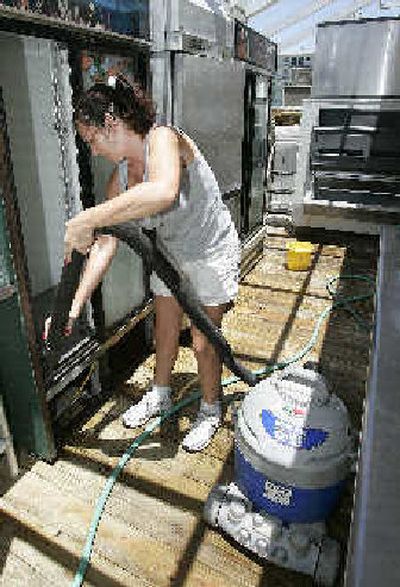
NEW YORK — Many small business owners in the paths of tropical storms will undoubtedly find themselves coping with serious damage that can shut their companies down.
Even owners who prepared their companies for disasters will find it a challenge to recover. Those who had no plans — particularly companies without insurance — might find that their businesses are in danger of failing.
Disaster preparation means a contingency plan, with provisions for operating even if your company’s premises are wrecked. It means adequate insurance to cover physical damage and also lost profits. It means having data and important records backed up and stored in a safe place.
But even if disaster strikes and you have no plan, don’t panic, is the advice of Steve Lewis, editor in chief of Edwards’ Disaster Recovery Yellow Pages.
“While it’s true that the odds are going to be against you and you should have been prepared, if you’re systematic, bit by bit, and do the most important and doable things first,” you’ll have a better chance of saving your company, he said.
After the emergency has passed, you’ll understandably want to get to your business to see what damage there is. But that might not be possible — roads can be washed out, for example, or authorities might restrict access to streets where power lines are down.
Carol Chastang, a spokeswoman with the Small Business Administration, suggests business owners take a camera with them when they do go to the property for the first time, and take plenty of pictures to help either insurance adjusters — or a bank officer if they’re applying for an SBA disaster loan — assess the damage.
Your next step should be calling the people who help you stay in business — employees, customers and vendors — let them know what happened and assure them you’re trying to get the company running.
Otherwise, “the rumors start to spread and that’s what does a lot of businesses in,” Chastang said.
Lewis said owners who didn’t prepare a to-do or who-to-call list should “try to remember what is coming up that’s big and important, like a big delivery, a shipment on the way … or if you have big deadlines due.”
Another reason to be in touch with business contacts is they’re likely to help — even your competition.
“They know your problems, they can empathize, they often have stuff you can borrow,” Lewis said.
When a natural disaster devastates a region, the federal government usually will declare a disaster area, which allows small companies to apply for Small Business Administration disaster loans if they don’t have insurance or don’t have adequate coverage. The SBA’s Web site, www.sba.gov, has a section devoted to disaster recovery.
But not every calamity that befalls a company will qualify as an official disaster — there are plenty of floods and storms that can cause substantial damage, yet the government might not issue a disaster declaration. In such cases, SBA disaster loans are not available, and companies with heavy damage and no insurance can be in danger of collapsing.