
In the West, trouble lurks below surface
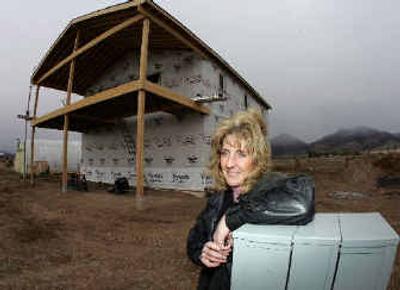
SILT, Colo. — Liz and Tom Lippitt bought about nine acres amid the rolling hills and rocky mountaintops of western Colorado with the idea of keeping horses, growing hay and building their dream home.
For now, the 2,700-square-foot house is on hold. The Lippitts might expand a nearly finished apartment once they know whether natural gas wells will be drilled on or near their land.
“We don’t want to build our dream house until we know what’s going to happen and what property values are going to do,” said Liz Lippitt, standing outside the building where her husband was cutting boards.
The dilemma for the Lippitts, many of their neighbors and landowners throughout the Rockies is that they face sharing their property with drilling rigs, big trucks and pipelines — and there’s little or nothing they can do to stop it.
The reason is the so-called “split estate”: One person owns the land, another owns the minerals beneath it. The split occurred across the West when the federal government granted homesteads but retained the mineral rights, or when people sold surface rights but kept the minerals as an investment.
Now, though, growing coalitions of ranchers, environmentalists and homeowners in the Rockies are demanding more consideration of their property rights. They’ve rallied behind legislative proposals from Montana to New Mexico that would require companies to consult landowners on drilling and other operations and, in some cases, compensate them for loss of property value.
The whole issue can be a rude awakening for newcomers, who may find out through the mail or a knock on the door that companies that own or lease the minerals under their property have the legal right to use the surface to extract the oil, gas or coal. In 2001, Colorado started requiring that real estate contracts note when the mineral rights are severed, but critics say the implications aren’t addressed.
Even farming and ranching families who have lived for decades with oil and gas development complain that the current natural gas boom, fueled by high prices and a push for more domestic production, is encroaching on their land and threatening their livelihoods.
“I was born and raised in this area. I’m a fourth-generation rancher, and it’s been hard on our operation,” said Chris Velasquez of Blanco, N.M., who has reported leaking oil from gas-field equipment, unlined waste pits and cows that aborted after drinking tainted water. “The reason I raise Cain is that it’s affecting my pocketbook.”
Just as vocal are energy producers, their employees and businesses that service gas companies, who fear the impact on an industry that’s pumping out hundreds of new jobs and millions of dollars in tax revenue. Dozens of people wearing buttons reading that read “Oil and gas feeds my family” packed a hearing Feb. 14 in Glenwood Springs, Colo., to protest a bill that would mandate arbitration if landowners and operators can’t negotiate a surface-use agreement.
Steve Soychak, who manages Tulsa, Okla.-based Williams’ gas development in northwest Colorado, said new rules allowing landowners to ask state regulators for on-site inspections in disputes should be given a chance.
“There are very few cases where we have been unable to reach surface-use agreements,” Soychak said.
The problem, say proponents of the legislation, is that landowners have little formal protection. The federal government and some states require that companies try to craft an agreement with landowners. Operators often reimburse owners for use of the land and damages.
Ultimately, though, companies have the right to “reasonable use” of the land to extract the minerals. If no agreement is reached, companies can post bonds and move in.