
Gnomes in the news
Once they led bucolic lives.
Now, the stocky little garden gnomes with bushy beards and pointy hats have landed on the A-list. And you know what that means – tony malls, hip galleries and all the right resorts.
Some think the statuettes offer relief in troubled times. Others believe they play into a fondness for kitsch. Still others say they’re riding the coattails of books and movies that focus on fantasy.
In any case, what were once mere lawn ornaments (call them the lawn flamingos of the north) are now turning up in the most unlikely places.
“They do pop up everywhere,” says Julian Hibbard, a photographer who embraces their “cheeky, sort of slightly perverted quality,” and is responsible for some of the most exotic sightings.
It was the discovery of a human-sized gnome mask that set him off on a photo-snapping spree in South America and ancient English forests.
While his mask photos sell for $800 and $1,200, Hibbard has turned one into a $40 puzzle for gnome-lovers with shallow pockets.
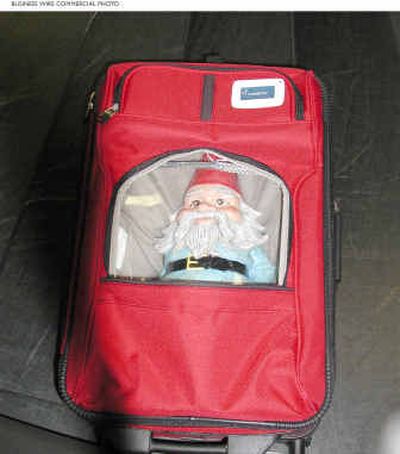
Gnomes are igniting wanderlust in Travelocity’s new advertising campaign, which kicked off earlier this year with movie, television and print ads. The online travel site’s Roaming Gnome first made an appearance in January. Photos captured him cliff-diving in Mexico, skiing the Alps and dining in Quebec. Since then, he’s been reporting back to former owner Bill, offering travel tips in clipped Britishese.
A recent ad shows him standing beside a froufrou cocktail.
“Order a tropical drink and get a perfectly good umbrella free,” he tips.
“He’s really loving his experience,” says Susan McLaughlin, a company spokeswoman.
All this gnome activity is good news for retailers like Lillian Vernon. This year, 14,000 of the little guys have marched out of the company’s headquarters in Rye, N.Y. Or as spokesman David Hochberg puts it, sales of the hand-painted statuettes are up 25 percent. He attributes their popularity to the recent movie adaptations of J.R.R. Tolkein’s “Lord of the Rings,” which spotlights another group of little people, hobbits.
Today gnomes usually come in concrete, plastic or English stoneware, and in a variety of fanciful poses. On Krupps.com, they range from 8 inches to 3 feet, are priced from $24.95 to $369, and are accompanied by mushrooms, birds, mice, wind chimes, flutes, playing cards or lanterns.
These days, of course, they’re as likely to be found with designer handbags, snappy skiwear and Hawaiian drinks. But that doesn’t mean life is all fun and frivolity.
Martin Elliott, founder of freethegnomes.com, is more than a little dismayed by the “recent spike in gnome activity.”
While some enjoy gnomes for their charm and whimsy and others revel in their kitsch, Elliot considers them “gentle woodland creatures” that must be protected.
“They’re held against their will, forced to stand hours on end without any pay,” he charges. In fact, he uses “slavery” to describe their plight.
Unlike the more militant European-based Garden Gnome Liberation Front, which is responsible for “freeing” – some say stealing – hundreds of gnomes, Elliott prefers “to negotiate for the release” by sending letters to those who sell them, display them or use them for financial gain. Travelocity is on his list.