
Millions face eviction from shacks
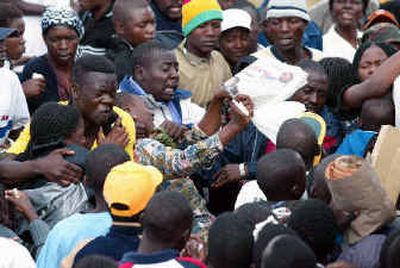
HARARE, Zimbabwe – The government threatened Tuesday to demolish squatter shacks in what it called an urban beautification campaign after the arrests of about 10,000 street traders in the capital, a stronghold of the opposition.
The opposition accused the ruling ZANU-PF party of trying to provoke confrontations so it can declare a state of emergency before the tattered state of the economy leads to riots.
“They are now going for broke,” said Paul Themba-Nyathi, spokesman for the opposition Movement for Democratic Change. “It is obvious these are all punitive measures aimed at urban people who voted against ZANU-PF.”
A five-day blitz against street vendors and flea markets already has sparked clashes between the traders and police, and unrest has been reported elsewhere. Police Chief Superintendent Oliver Mandipaka said Monday that 9,653 people have been arrested.
On Tuesday, the government set a June 20 deadline for demolishing unauthorized buildings in Harare unless the residents appeal and receive a grace period. The demolitions could evict more than a million urban poor in the middle of the Zimbabwe winter.
“The attitude of the members of the public as well as some city officials has led to the point whereby Harare has lost its glow. We are determined to get it back,” government-appointed Mayor Sekesai Makwavara said in a statement.
She said all “illegal structures” would be demolished during the operation, which was dubbed “Operation Marambatsvina” or “drive out rubbish.”
The crackdown on street traders – who include teachers and other professionals unable to make a living at their old jobs – is aimed at crushing the black market for scarce staple goods like maize meal, sugar and gasoline. The government says the traders are not licensed and blames them for sabotaging the economy.
Lovemore Madhuku, a university teacher who leads the National Constitutional Assembly, an umbrella group of organizations seeking radical reform, warned the demolitions might ignite public anger on a scale unseen since the African nation gained independence from Britain in 1980. “I think now people are really going to react,” he said.
The cleanup ultimatum revived memories of the 1985 elections when ZANU-PF mobs, reacting to comments by longtime leader Robert Mugabe, forced thousands of families suspected of supporting the opposition from their township homes until they could produce ruling party cards. An unknown number of people were killed while police refused to intervene.