
Beach cleanup under way
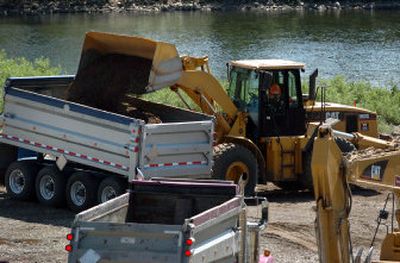
After a yearlong delay, cleanup of a lead- and arsenic-contaminated beach along the Spokane River started Monday.
The Starr Road Recreation Area near the Idaho border will be closed to fishing and swimming until November 2007 while crews remove yards of soil tainted from mines in Idaho’s Silver Valley. Budget problems stalled the Environmental Protection Agency project, estimated to cost $700,000
Ed Moreen, EPA project manager, said lead levels at the site vary but are higher than considered safe.
The project is part of a $359 million, 30-year Coeur d’Alene Basin cleanup of mine wastes from Mullan to Spokane. Soil removal is expected to take about a week, Moreen said.
Cost estimates increased last year from $300,000 to as much as $900,000, due partially to the Washington State Parks and Recreation Commission’s insistence that the contaminated soil be removed and not stabilized on site.
Work also hinged on crews being able to reach low-lying sandbanks. That means it could only be done after the river dropped from spring highs, but before autumn, when Avista Utilities draws down Lake Coeur d’Alene causing the river to rise again.
“We have a pretty narrow window in which we can work here,” Moreen said.
Crews used heavy machinery Tuesday as part of the effort to remove roughly a foot of soil from 2.5 acres of the grassy area along the north side of the river. Covered trucks transported it to a hazardous materials landfill in Medical Lake.
Workers sprayed the area repeatedly with water to minimize dust, which might carry heavy metal particles in the wind.
When people are affected by lead, it’s usually by swallowing or inhaling it, Moreen said.
Yet some dust did blow north toward a handful of homes along East River Road. Moreen said crews will monitor air- and water-quality sensors throughout the project and adjust their work, if necessary.
One neighbor, who declined to give her name, said she had received pamphlets about the cleanup but hadn’t been notified about any health risks from dust.
Black silt fences around the water are designed to keep the metals out. In addition to lead, the soil has high levels of zinc, which can be toxic to aquatic life, Moreen said.
Workers will cap the area with replacement rock and other material from a nearby site, using trails and plants to direct future visitors to the cleaned-up areas.
Other improvements for the area include paved parking and trails that are wheelchair accessible.