
‘Green building’ save money over time

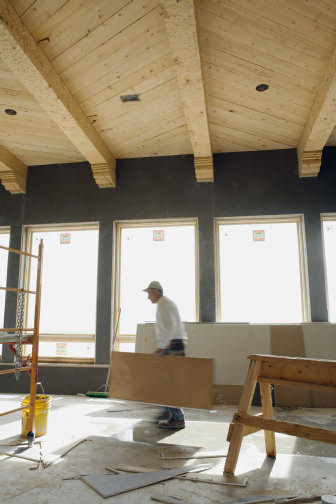
Q: There’s a new phrase that seems to be in the news on a regular basis: “green building.” I think I understand what it means, but I’m not sure that I know how to do it. We’re talking to a builder about a new home and want to make it energy-efficient and “green.” How do we explain green buildings to him?
A: My first thought is that if you have to explain the concept to him, you’re talking to the wrong builder. I talk to hundreds of builders every year and I have found that there are clearly two types of home builders these days — those who believe in energy-efficient, sustainable building and use products and strategies to make their homes efficient and comfortable, and those who don’t know much about it and often avoid new strategies for fear of driving up the costs of their homes.
I think your first step is to find a builder who shares your philosophy of green buildings — energy-efficient homes that minimize construction waste, lessen the impact of the home on the land, build for limited water use and maximum health and meet a variety of standards that rate a home not just on its energy efficiency but also on its overall environmental stewardship. Simply put, a green building is one that is designed, built and operated in a manner that maximizes efficiency and resources.
The National Association of Home Builders has compiled a list of voluntary guidelines for builders who want to help move environmentally friendly homes into the mainstream marketplace. The titles of the six sections of their guidelines highlight the various areas involved: lot preparation and design, resource efficiency, energy efficiency, water efficiency and conservation, occupant comfort and indoor environmental quality, and home owner guidance on how to optimally operate and maintain the house.
Homes that are considered “green” often cost more to buy because of their many extra features and construction techniques (though many of the strategies used have very little or even no extra costs up front), but they’ll save money over time by using less energy. Many of their most important benefits, though, can’t be measured in dollars and cents. They’re typically more comfortable, have better indoor air quality and put less of a burden on the environment.
Q. I’d like to put up with this summer’s heat better than we have been. We’re all miserable when it gets real hot. Outside of buying new products or renovating the house, what can we do to stay more comfortable without having $300 utility bills?”
A. One of the nice things about rising energy costs and concern about energy and the environment is that just every organization and everyone interested in the topic provides tips on staying cool in hot weather (and they’ll be telling you how to stay warm this winter, too). Most of them end up talking about a few of the basic themes and strategies, so let me pick some of the key ideas here to share with you — ideas that work and can be very effective in keeping you more comfortable in hot weather.
Close the blinds and shades tightly during the day to keep the sun out, and open them at night. Don’t set the thermostat lower than 78 degrees, and turn it up a few degrees when no one is home. Use fans to cool you off but raise the thermostat 2 to 4 degrees to offset the energy use of the fans. Don’t leave fans running when no one is in the room to enjoy the cool air. Change the air-conditioner filter every month so that the system runs efficiently. Clean the filter on your clothes dryer after every use. Replace incandescent light bulbs with compact fluorescents. Turn off lights when no one is in the room. Take showers instead of baths to use less hot water. Use a microwave oven or cook outdoors instead of using the kitchen oven. Dress indoors for the weather and wear lighter clothing.
Most important of all — if you have a central air-conditioning system and no matter what you do to cut energy costs, the bills stay high, hire a contractor to check for leaks in the duct system. All the good things you do to save energy will be wiped out by the impact of duct leakage. If ducts are not properly sealed, you end up spending a lot of money to pour cold air into your attic and to the outdoors.