
Bolton resigns U.N. post
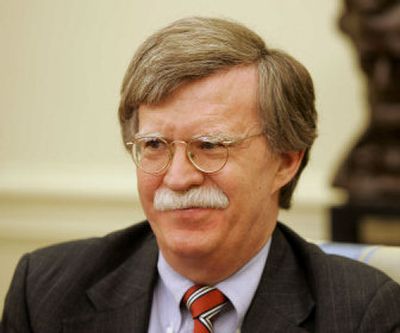
WASHINGTON – President Bush surrendered to congressional foes Monday in his fight to install John Bolton as permanent ambassador to the United Nations, a harbinger of how the political world has changed since Democrats captured both houses of Congress.
Bush circumvented Senate opposition last year to send Bolton to the United Nations on a recess appointment, and administration lawyers in recent weeks had developed options to keep him there even after that appointment expires this month. But officials said Bolton and the White House decided against provoking an early confrontation with Democrats as they take over Congress next month.
As Bolton’s resignation was announced, the White House deliberated on a new nominee, with attention focusing on Zalmay Khalilzad, the U.S. ambassador to Iraq. The White House also has a crop of Republican lawmakers who lost re-election to pick from. A number of senior ambassadors from around the world have also expressed interest, but administration officials said Bolton’s successor will be a political nominee.
Bolton became the second high-profile member of Bush’s foreign policy team after Defense Secretary Donald Rumsfeld to announce his departure in the wake of the Nov. 7 elections. Bush appeared aggravated at having to abandon Bolton, whose bare-knuckled diplomacy and skepticism of multilateralism made him a favorite of conservatives and a lightning rod for many in the Washington and international establishment.
“I’m not happy about it,” Bush said in a one-minute appearance with Bolton before cameras in the Oval Office. “I think he deserved to be confirmed. And the reason why I think he deserved to be confirmed is because I know he did a fabulous job for the country.”
During a separate interview with Fox News Channel, Bush said: “On issue after issue, Bolton delivered. And so you’re looking at a man who is deeply disappointed, and I would call it shallow politics of the Senate in this case.”
Secretary General Kofi Annan reacted coolly to Bolton’s announcement: “As a representative of the U.S. government he pressed ahead with the instructions that he had been given, and tried to work as effectively as he could with the other ambassadors.”
Bolton’s fate was doomed when Sen. Lincoln Chafee, R-R.I., decided to block his nomination in the Foreign Relations Committee, joining with all Democrats on the panel. Administration lawyers explored ways of keeping him in the job by appointing him to a position that does not require Senate confirmation and then making him “acting ambassador.”