
Nuclear waste plant will be costly
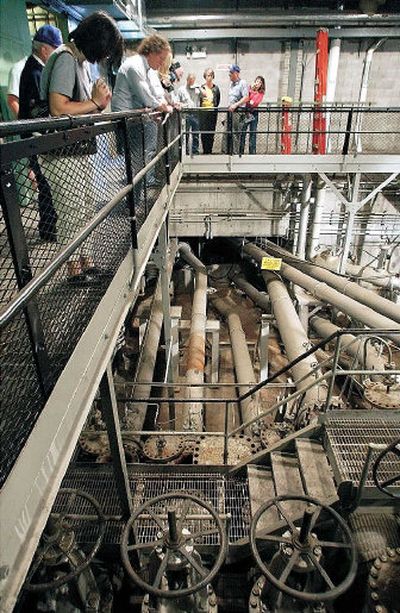
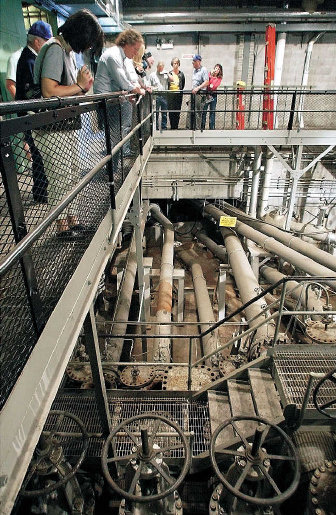
RICHLAND – The cost to build a waste treatment plant at the Hanford Nuclear Reservation in south-central Washington could top $10 billion, according to a new report.
In addition, the plant wouldn’t be ready to begin treating toxic and radioactive waste until 2017, six years after the legal deadline.
The cost and schedule estimate were contained in a 44,000-page report prepared by Bechtel National, the contractor hired to build the plant. The U.S. Department of Energy, which manages cleanup at the highly contaminated site, presented the report to Washington congressional and state leaders Tuesday.
The so-called vitrification plant has long been considered the cornerstone of Hanford cleanup. The plant is being designed to convert millions of gallons of radioactive waste into a stable glass form for permanent disposal in a nuclear waste repository.
The waste is being stored in underground tanks, some of which have leaked into the aquifer, threatening the Columbia River less than 10 miles away and making cleanup a priority.
But the plant is billions of dollars over budget and years behind schedule. Bechtel spent months completing the latest cost estimate and schedule after it became apparent last year that the official estimate of $5.8 billion was too low.
The Army Corps of Engineers is in the process of reviewing the estimate. The corps review will not be ready before summer, and the Energy Department cannot confirm any other estimates until that review is completed, department spokesman Mike Waldron said.
In addition, Bechtel already is working to revise the estimate due to recent changes. They include a reduction in the budget for the plant in 2006, from $626 million when Bechtel began the review last year to $526 million.
A 2004 report showed that the Energy Department had underestimated the impact a severe earthquake might have on the plant. That report prompted the federal government to halt construction on major portions of the plant last fall.
The latest estimate adds $700 million to $900 million to the overall cost to meet new earthquake design standards.