
Spokane icon Wally Hagin dies
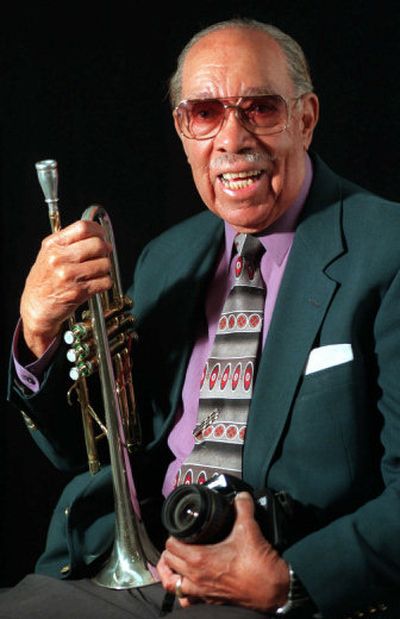
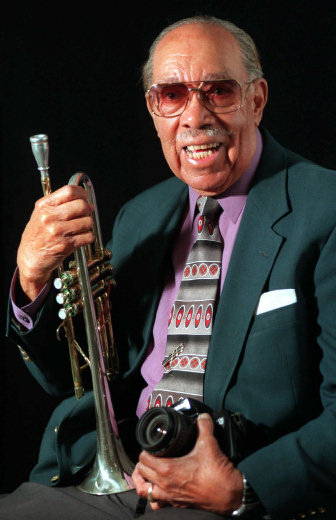
He was the man with the camera.
At every wedding or birthday party – whenever Spokane’s black community gathered to celebrate – Wally Hagin was there. For decades, he captured the laughter of children, the bliss of newlyweds, the hearty “Hallelujah” of a spirited church choir.
Hagin, a renowned photographer and a champion of civil rights, died Wednesday afternoon of natural causes. He was 90 years old.
Since the late ‘40s, Hagin chronicled the lives of African Americans in Spokane. While the families considered the photographs keepsakes, they evolved into historical documents, said Jerrelene Williamson, a close friend and member of the Spokane Northwest Black Pioneers.
Hagin didn’t know it at the time, but his photographs – a collection of 13,000 negatives and 1,000 prints that he donated to the Museum of Arts and Culture – ended up telling the stories that were rarely found in history books about Spokane.
“He was an icon in the black community,” said Williamson.
Although best known for his photography, Hagin also impacted the community through his contributions to civil rights. A feisty, strong-willed man, Hagin never put up with people who slammed doors in his face or belittled him for the color of his skin.
As a black man living in Spokane before the civil rights era, Hagin stood up for equality – not just for himself and other African Americans, but for all people of color who faced discrimination.
Three years ago, Hagin was honored with the Carl Maxey Racial Justice Award from the YWCA of Spokane. The prestigious prize is named after the late civil rights attorney, who was also one of Hagin’s best friends.
Born in Montana, Hagin and his family moved to Spokane when he was 3. His father, Wallace, was one of the people who helped build Calvary Baptist Church, Spokane’s oldest black congregation.
Hagin was known as a renaissance man, having worked as a musician, a pilot, even as a mortician. He was the “cool cat” in the neighborhood, friends once said. Well-dressed and charming, Hagin was friends with everyone, and everyone knew his name.
Hagin also was the first African American in the state to earn a pilot’s license. But when he tried to enlist in the Army Air Corps in 1941, he was told that the Army “had no room for Negroes.”
“I was really hurt, but I was getting used to it,” he said in a 1998 interview. “You can’t imagine how I felt, even just going to restaurants where my white friends could go in, but I was turned away.”
Despite his degree in embalming from the University of Minnesota, a local funeral home refused to give him a job. The only work he could get as a black man in the ‘40s was waiting tables at the Spokane City Club.
He got fired, however, when he refused to serve a government official who called him “boy.”
“I’m a way-off-the-wall kind of guy who’s always been driven,” he said in 2002. “I was determined to fight prejudice.”
Even in his early 80s, Hagin was full of energy. He continued to take photographs and worked at Fairmont Memorial Park, where he escorted people to burial sites and made sure the funerals went smoothly.
The last few years, however, had been tough for Hagin, who was confined to a wheelchair after knee surgery and other ailments. “He was a man about town,” so it was hard for him to always be inside, said Williamson, who talked to her friend for the last time a week ago.
But he never complained, she said. He still laughed a lot. He still told stories.
“He was always a wonderful gentleman,” she said.
Funeral services are pending.