
Suggestions to help keep latchkey kids safe
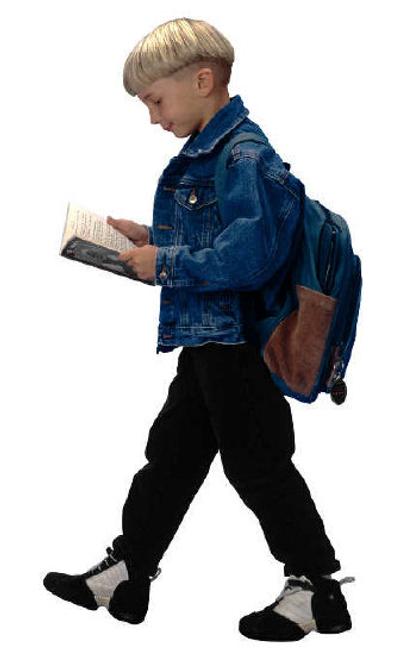
The cost of living comfortably these days often makes a two-income household a necessity for middle-class families. And many women and men both want to maintain their careers, even if kids are in the picture. That leaves many children in the position of looking after themselves until mom or dad comes home from work.
The term latchkey dates back to the 1800s when children who were responsible for caring for themselves would wear a key to their home around their necks.
Today, the term is often used for children who are coming home to an empty house after school or when they have finished their activities. How do you know if your child is ready for this responsibility? And if you do think he or she is ready, what safety lessons should you instill before the back-to-school season begins anew?
Is Your Child Responsible Enough?
Unfortunately, there is no magic formula to determine if your child is ready to stay home unattended or to look after younger siblings. What it comes down to is knowing the maturity level of your son or daughter and how responsible he or she is on a daily basis.
Some experts feel the best way to ascertain the readiness of your child is to ask the child outright. Your child will likely be honest about his or her feelings. A worrier, one who has nightmares, or is nervous or anxious when he or she is alone might not be ready to stay alone.
Some children are naturally independent and mature enough to handle the situation and will be anxious to prove it to you.
Make Safety a Priority
No child should be left alone without prior safety training. In addition, you might want to check with your local law enforcement about the rules of leaving children home alone. Your state may set an age limit — and you don’t want to break the law.
• You may want to childproof your home, much like you did when your children were younger. Lock up alcoholic beverages and prescription drugs, and set firm rules about appliance usage. If cooking on the stove is off-limits, have snacks on hand that don’t require heating, like fruit, veggies, lunch meats or good old peanut butter and jelly. If cooking is permissible, you may want to limit it to microwave use, which may be safer than using an electric or gas stove.
• Keep a first-aid kit handy and go over the items inside with your child. Be sure to post important phone numbers in an easily accessible location. And, of course, teaching your child to dial 911 in case of an emergency is imperative!
• If your child walks or bikes home, make sure he takes the same route from school with a sibling or friend and doesn’t veer off on any detours. He or she should be at home promptly each day. You may want to ring the house at a specific time to make sure your child got home safely.
• Set rules about having friends over so your house doesn’t end up as the local after-school hangout. Also instruct your son or daughter to keep all the windows and doors locked when home alone. Should anyone call on the phone or ring the doorbell asking for a parent, instruct them that the response should be, “They’re not able to come to the phone/door right now,” without letting the caller know they are home alone.
• Establish rules and post them, like those for homework and chores.
• Each morning or the night before, discuss the plans for the day, scheduling, transportation and other variables.