
Going with the grain

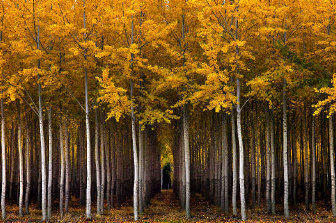
Potlatch Corp. is building a new sawmill in Boardman, Ore., to turn logs from its fast-growing poplar plantation into hardwood lumber.
Thirteen years ago, the Spokane-based company began planting 17,000 acres of poplars between Interstate 84 and the Columbia River. The irrigated grove in the desert now draws frequent stares. Potlatch spokesman Mike Sullivan fields 10 to 15 e-mails and phone calls each month from people who drove by on the freeway, saw Potlatch’s sign, and wondered why the trees were there.
The plantation was intended to produce wood chips for fiber in Potlatch’s pulp and paper mills – insurance against an anticipated escalation in chip prices.
But the price hike never materialized. Left with an expensive fiber source, Potlatch began looking for new ways to use the trees.
The new mill will produce clear-grained lumber for furniture, paneling, trim and moldings, sold under the name “Western White Poplar.”
“It’s beautiful wood,” Sullivan said. “It finishes well and takes a stain … I’m building some kitchen cabinets from it in my garage.”
About 55 people will work at the sawmill, which should be up and running by December. The mill will cost $8.1 million to construct, and produce a modest 30 million board feet of lumber annually, according to company estimates.
Last year, Potlatch started a marketing campaign to find buyers for the wood.
“One of the most interesting uses is wainscoting,” said Mike Urso, Potlatch’s vice president of marketing. “That light color is really in vogue right now.”
Potlatch is also targeting environmentally conscious contractors. The poplar wood is certified under the “Forest Steward Council” label, which means that builders get points for using it in buildings under the LEED Green Building Rating System. LEED encourages buildings that are energy efficient and make use of renewable materials.
The poplar trees mature quickly in the long, mid-Columbia growing season, reaching harvest size in 12 to 13 years. The rapid growth gives them widespread growth rings, which means they aren’t strong enough for structural lumber. But the wide grain is part of the beauty for moldings and other cosmetic uses, Sullivan said.
Potlatch envisions a perpetual harvest from the plantation. As trees are cut, they’ll be replanted.
“The trees have really changed the micro-climate of the area,” Sullivan said.
So many deer have moved in that Potlatch is considering hunting leases on the land.