
Forget the fads for flatter abs!
FROM START TO FITNESS
Q: My gym offers 15-minute abdominal classes, and I try to attend at least three of these a week. While I definitely feel my abs burning during class, I haven’t seen much of a difference in flattening my abdominal area. Am I doing something wrong?
A: Abdominal classes have become very common in many fitness facilities. In a typical class, an instructor takes a group of participants through 15-20 minutes of varying abdominal exercises. Unfortunately, the popularity of these classes has many people crunching themselves into disappointment.
The purpose of abdominal classes should be to focus on increasing the stability and strength of the core muscles (abdominal, back, hips), not to develop a “six pack.” The idea of crunching yourself into oblivion to flatten your stomach has attracted many people to abdominal classes; however, abdominal exercises alone will not slim your middle. Since we cannot actually “flatten” our abdominals, our goal is to lower our body-fat percentage, which will decrease the amount of fat covering our ab muscles.
Before attending your first abdominal class, understand what to expect. Your goal should be to increase core strength and stability — not to be sore for the next two days. Avoid gauging how well the class was taught by how “hard” the exercises were or by how much of a burn you felt in your abdominal muscles. You should feel like you have more control, strength and stability within your back, abdominals and hips with each class completed. Focus on quality, not quantity, to determine the success of each class.
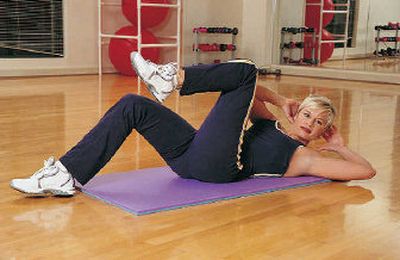
To get the best results from abdominal classes, be sure you know how to correctly perform each exercise. Many participants use the wrong techniques when completing abdominal exercises, and repeat these poor techniques repetition after repetition, class after class. Straining the muscles of your neck and arching your lower back while completing abdominal exercises is one example of what should be avoided, as it could cause not just discomfort, but injury if repeated.
Although group classes tend to encourage participants to keep up with their neighbors, go at your own pace. Use modifications of exercises that may be too advanced, and only progress to a more difficult exercise once you have mastered the basic exercise. At the beginning of class inform the instructor of any medical conditions that may need a safer version to be demonstrated, such as neck and back issues. The instructor should be able to accommodate your needs.
Remember to make your abdominal class part of a balanced workout routine that includes cardiovascular and strength training, partnered with healthy nutritional habits. Consistent exercise, proper nutrition and genetics will help you reach your goal of lowering your body fat around your abdomen, giving the appearance of “flatter abs.”