
How to start training for triathlon
Q: How do I get started training for a triathlon? I currently exercise three days a week and would not consider myself an athlete, but I would like to take on the challenge of training for this event. The problem is that I don’t know where to start, or if this goal is even attainable.
A: Whether a sprint distance or IronMan, triathlons are becoming more and more popular, especially among non-traditional athletes, including newcomers to exercise. There is no one type of person who participates in a triathlon — the only requirements being dedication and drive.
•The endurance events of a triathlon are swimming, running and cycling. Kim Boere, master personal trainer and USA Triathlon coach, suggests beginning your triathlon training by committing enough time to train. Boere suggests a minimum of four hours a week to devote to training and improving your swimming, running and cycling skills. This commitment will ensure you can safely train your body for the demands of completing a triathlon.
After your commitment to make the time to train, Coach Boere also suggests a few pointers.
•Commit to a race in your area and SIGN UP. The reality of an actual “race day” can help you develop your training schedule and keep you motivated and encouraged. You can find a race in your area through local track/biking clubs, newspapers or Web sites such as active.com.
•Find a race that fits your interests, such as the popular sprint triathlon, made up of shorter stages of a one-quarter to one-half mile swim, 10-12 mile bike, and 2-3 mile run.
•Join a triathlon group or club for support in training and for information about all the details that are important on race day, from choosing a bike, swimming outdoors, transitions and much more. Plus, the camaraderie of other athletes can help keep you on task. Also research triathlons through books and Web sites.
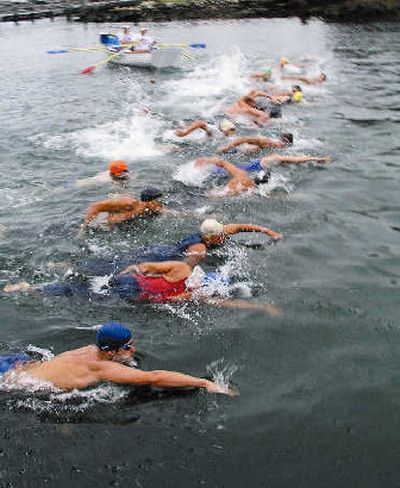
Within your four hours a week of training, Boere suggests you identify the event in which you need the most improvement in technique and efficiency, and seek the expertise of a coach. For example, if you have not swam since summer camp 10 years ago, working on your swimming technique can make you feel more confident and also improve your efficiency and strength in the water.
•Other days of training can include total-body strength training two days a week to maintain strength, and getting outside to run and cycle. Find a 5k road race to introduce yourself to running the distances of a sprint triathlon and for the experience of being in a race.
For beginners, it is recommended that you start training at least 12 weeks before race day, while a more active and regular exercisers may be able to prepare in 6-10 weeks. Leave yourself time to meet your goals by planning a schedule and staying on track.
Lastly, Coach Boere reminds beginning triathletes not to become “overzealous.” Maintain a safe and healthy training schedule to prevent the effects of overtraining and to prevent injuries.