
In search of cute
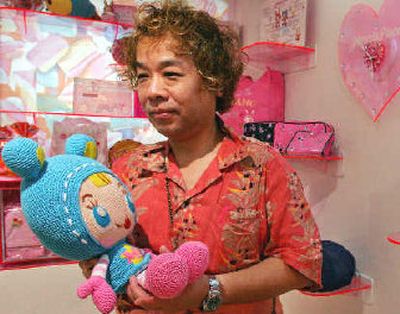
TOKYO – Cute is cool in Japan.
Look anywhere and everywhere: Cartoon figures dangle from cell phones, waitresses bow in frilly maid outfits, cherries and bows adorn bags, even police departments boast cuddly mascots.
These days, Japan Inc., known in the past for more serious products like Toyota cars and the Sony Walkman, is busy exporting the epitome of cute – bubble-headed Hello Kitty, Pokemon video games, the Tamagotchi virtual pet, just to name a few.
But the prevalent obsession with things cute has the world’s second biggest economy engaging in some serious soul-searching lately, wondering what exactly is making its people gravitate so frantically toward cuteness. A big reason for the emerging debate: Cute-worship is gaining such overseas acceptance it’s rapidly becoming Japan’s global image.
“Cute is a boom. This style has suddenly become a fashion element among youths around the world,” said Shuri Fukunaga, managing director at Burson-Marsteller in Japan, who advises global companies about communication and marketing. “Marketers in Japan are seeing this and are adept at churning out products that incorporate this style for overseas.”
Nintendo Co., which makes Super Mario and Pokemon video games, recorded $3.1 billion in U.S. and European sales in fiscal 2005. The entertainment content business in Japan totals some $116 billion, the equivalent of about two-thirds of Toyota’s sales, according to the Digital Content Association of Japan.
Skeptics here say Japan’s pursuit of cute is a sign of an infantile mentality and worry that Japanese culture – historically praised for exquisite understatement as sparse rock gardens and ukiyoe woodblock prints – may be headed toward doom.
Osaka Shoin Women’s University professor Hiroto Murasawa, an expert on the culture of beauty, believes cute is merely proof that the Japanese simply don’t want to grow up. But he thinks they must change to articulate the nation’s views on the international stage.
“It’s a mentality that breeds non-assertion,” he said of the cute mind-set. “Individuals who choose to stand out get beaten down.”
Model-cum-actress Yuri Ebihara, 26, widely viewed here as the personification of cute, commands such influence that the clothes she sports in fashion magazines, such as lacy pastel skirts, are instant sellouts.
“I make it a point never to forget to smile,” said Ebihara, often seen in TV ads and on billboards. “If someone doesn’t find me cute, I want to know why because then I’ll work on it to get better at being cute.”