
Keep kitty cool, safe this summer

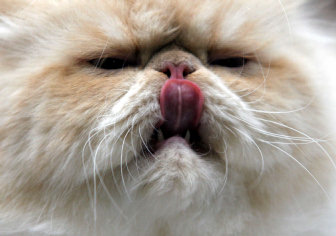
Whether your cats are hiding under the bed to find cooler air, enjoying the shade of an outdoor enclosure, lapping up cool fresh water, or sleeping from dawn to dusk, cats are champs at escaping summer’s heat.
Here are top tips gathered from leading veterinarians to keep your cats cool during the dog days of summer.
1. Gimme shelter – Direct sun raises body temperature, which is why cats need a cool place to hang out. “You don’t need anything fancy,” says Dr. Rolan Tripp, founder of www.AnimalBehavior.Net. As long as the cat’s territory includes a shaded porch, a roof eave, or even a leafy tree, she will find ways to stay cool.
2. Do a home check – Don’t automatically assume your cat has found a cool retreat from the heat. Wait until the hottest part of the day, then investigate the temperature of your pet’s favorite hideaway. If it feels
uncomfortably hot to you, it’s probably too hot for him. Additionally, beware of the “high-rise syndrome.” This happens when a cat crawls out an open window to catch a fresh breeze. Contrary to popular belief, cats do fall and may severely injure themselves.
3. Air plain – Hot, humid air can really make Kitty’s knees buckle. Homes with many south facing windows or small apartments can quickly turn into hot houses. If you don’t have air conditioning, provide a fan or two to keep air circulating on hot days.
4. Make mine a double – Even if your cat has a water bowl the size of a small swimming pool, it occasionally may run out or get turned over. To prevent Kitty from becoming dangerously dry during the day, provide two bowls of water in different locations and keep them filled to the brim, recommends Dr. Steve Garner, a board certified veterinarian in League City, Texas. Some cat owners swear by the self-replenishing bowls and freeze one to provide a slow drip of cool, fresh water. Petmate’s FreshFlow has aeration like a mountain stream with a reservoir, a charcoal filter, and a flowing fountain that helps cool the water and improve its taste.
5. Bug off – Fleas, ticks and mosquitoes, oh my! Summer insects feed on blood meals. If your cat is outdoors, simply and safely protect him with monthly parasite control available from your veterinarian.
6. Wear protection – Outdoor cats can become sunburned, particularly on the tips of their noses, ears and other less hairy areas. White cats are susceptible to skin cancer. If your cat is white, cover exposed pink skin with sunscreen daily, preferably SPF 15 or higher. Check with your veterinarian to make sure the sunscreen you choose is safe for cats.
7. Risky business – Never leave cats alone in cars during the summer months – it is just too risky. The temperatures inside a parked car, even in the shade, can turn it into a hot oven in just a few minutes.
8. Make the fur fly – Consider a summer buzz haircut for cats, but beware that cutting hair too close to the skin may place them at risk for sunburn. While a long coat may look hot, in many cases it helps insulate the cat and keeps him cooler. Watch for hair mats, which retain heat and can prevent proper air flow, resulting in painful “hot spots.” Professional grooming may also help remove dead undercoat buildup that causes the cat to be hotter. Check with your veterinarian about the benefits of professional grooming for your cat.
9. ID please – We’ve all heard horror stories of beloved cats becoming lost. Make sure your cat always carries proper identification with a new ISO microchip matched with a tag on a break-away cat collar as the combination of choice. Tripp also recommends writing your phone number with a permanent marker on the nylon collar itself just in case the tag is lost. Plan ahead by keeping a photo that you could use for a “lost cat” poster, or to prove to a veterinarian or shelter that the cat belongs to you.
10. Street fighting man – “Warm weather brings out tomcats with a Muhammad Ali mentality,” says Norsworthy. Cat fights spread deadly viruses such as feline immunodeficiency virus and feline leukemia virus.
Consider whether you want to put your cat at risk or play it safe by making it an indoor cat.