
J.C. Penney reaches out
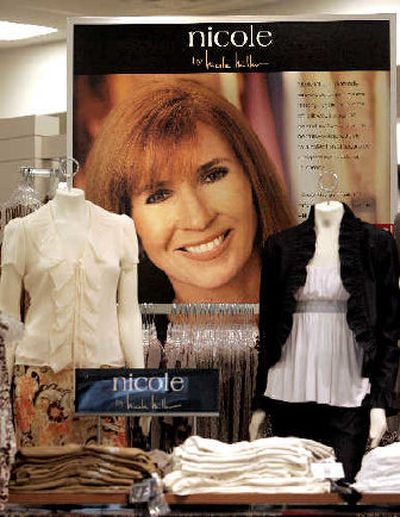
NEW YORK — J.C. Penney Co. may have steered through a turnaround, but there are shoppers like Janice Bernache who still think of the store as a place where “mother used to shop.”
But as the 27-year-old Manhattan resident peered through the retailer’s temporary showcase store in Times Square, she was pleasantly surprised.
“It looks really young,” said Bernache, eying bikinis, metallic skirts and men’s slim jeans.
The three-level showroom — which showcases the retailer’s store brands in home furnishings and fashions — allows customers to shop at any one of 22 Internet kiosks. The store, open through March 26, is part of an ambitious campaign to convert trendier, more affluent shoppers like Bernache into Penney’s fans.
The Plano, Tex.-based department store is using its online business not only to drive store traffic, but also as a key tool to polish its image among new customers, many of whom still think of the chain as dowdy. With 50 percent of America’s households not having shopped at Penney in the past three years, executives see a lot of untapped opportunity.
“We are excited about the turnaround, but we know we are not reaching all of our customers,” said John Irvin, head of J.C. Penney Direct, which comprises its catalog and Internet businesses. “We think our message needs to get out not only to our existing customers, but to the new customers.”
The retailer views its online site as the “hub” of its overall business, which generated sales of $18.8 billion last year. Penney passed the billion dollar mark in online sales in its recent fiscal year, surpassing e-commerce sites from discounters and department stores like Wal-Mart Stores Inc.
Online shoppers tend to be more affluent and younger that the store shopper. The median age for Penney’s online customers is 45 years old, compared to 49 for its store shopper and over 50 for its catalog customer, said Tim Lyons, a company spokesman. He noted that the median household income of the online shopper is 10 percent to 15 percent higher than that of the store and catalog shopper.
Penney’s online site offers pricier items that are not available in the store.
Penney’s turnaround began in late 2000, when the then Chief Executive Allen Questrom launched an effort to upgrade stores and merchandise. He sold off the Eckerd drug chain, closed underperforming department stores and spruced up the remaining Penney’s stores.
In its fourth quarter, Penney reported a 65 percent profit increase over the same period last year and posted its 11th consecutive quarterly gain in same-store sales.