
Definition of lobbyist tackled

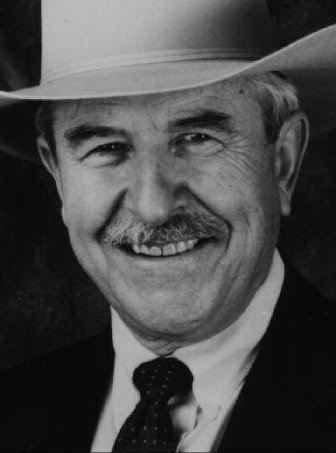
BOISE – Thirty-two years ago, John Peavey piloted his single-engine Cessna 182 across the state helping gather signatures for a ballot initiative to create Idaho’s first lobbying reporting law.
It was 1974 and the escalating Watergate scandal in Washington, D.C., would force President Nixon from office in August.
Peavey, in his second term as a Republican state senator from 22 miles north of the ranching town of Carey, had tried unsuccessfully during that year’s session to convince the Legislature that Idaho needed reforms of its own to prevent a furor similar to what was unfolding in the nation’s capital.
“I tried in the Legislature, to no avail,” Peavey said in an interview last week. “In a fit of anger, I declared we would do an initiative – and we did.”
The initiative passed with a more than two-thirds majority.
Three decades later, Peavey, now 72, who retired from the Legislature in 1994, has watched from his Flat Top Sheep Ranch as Republican and Democratic lawmakers this year made the first substantial changes to the product of his initiative, the 19-page orange book known as the “Sunshine Law,” to toughen up rules regarding lobbyist registration.
And just like Peavey’s “fit of anger,” legislators who pushed to extend lobbying registration requirements during the 2006 Legislature, including Sen. David Langhorst, D-Boise, and House Speaker Bruce Newcomb, R-Burley, have been helped by a national scandal: Washington, D.C., lobbyist Jack Abramoff’s gifts of golfing outings in Scotland and his guilty plea in a fraud case prompted enough disgust to persuade legislators to vote unanimously in favor of the new rules.
Once Gov. Dirk Kempthorne signs the package – he’s still governor, for now, after his appointment Thursday by President Bush as Interior secretary – the definition of lobbying will include all those trying to sway elected officials, agency directors or appointed members of state boards and commissions, on issues including multimillion-dollar contract awards.
Before, only those paid by companies, universities, organizations and other special interest groups to lobby legislators were required to register and report expenses.
Wait around long enough and history repeats itself, said Steve Ahrens, a retiring lobbyist for the Idaho Association of Commerce and Industry who, at the time of Peavey’s 1974 push, was an Idaho Statesman editor.
“It was the Watergate era, and people all over the country were looking at political activities, including lobbying efforts, in a different way,” Ahrens told the Associated Press last week.
“As often happens, the national attention had an impact on how Idahoans looked at the issue of campaign financing and reporting,” Ahrens said. “The national furor raised sensitivities in Idaho, and at least to a degree, it’s probably happening again.”
When Peavey entered the Legislature in 1971, getting paid to lobby in Idaho was actually illegal.
That didn’t stop companies from paying people to do it, he said.
Peavey remembers his 1974 signature drive as “a real heartwarming, grass-roots effort.”
It wasn’t meant to demonize lobbying, he said.
In Idaho, there are now 280 registered lobbyists.