
Cold frame a hot item
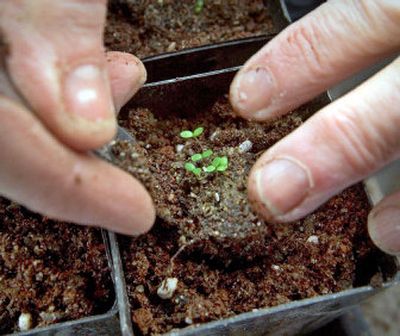
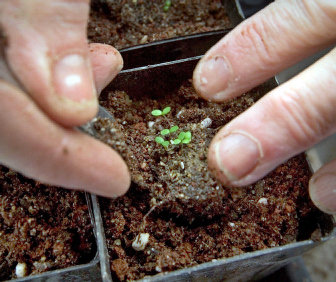
Getting impatient to get out in the garden? A cold frame is a simple way to get a jump on both ends of the season. It can be used to harden off seedlings before they are planted in the garden, store early nursery purchases until it’s warm enough to plant, or it can be planted directly with early or late crops of salad greens, spinach or even a tomato or pepper plant.
A cold frame is simply a four-sided box with a transparent lid that captures heat and light from the sun and allows plants to survive even when it’s freezing.
The sides of the box can be made from any sturdy material like plywood (not the oriented strand board that is not waterproof), concrete blocks, bales of hay or plastic on a frame.
The transparent cover can be made from salvaged window sashes, fiberglass or Plexiglas panels set in a frame or plastic sheeting stapled to a frame.
In recent years, a rigid, multiwalled polycarbonate material has come on the market that is both translucent and able to provide good insulation.
If building it yourself isn’t your thing, then there is an array of commercial alternatives available from garden centers and catalogs. Many of these are very portable so you can move them around or fold them up for storage when you aren’t using them.
The size of the recycled window or frame will determine the size of the box. An ideal size is between 2-by-4 feet and 3-by-6 feet, which allows you to reach to the back of the bed without stepping into it. The back should be between 6 and 12 inches higher than the front to allow the maximum amount of light in and rain and snow to drain off easily.
Place the cold frame in the full sun so that the slant faces south to catch all the light possible. Protect it from the cold winds which can suck the heat out of the box quickly. Make sure that water can drain away from the frame.
The trickiest part of using a cold frame is managing the internal temperature. With the lid down, the temperature can rise quickly on a sunny day and actually cook the plants. Ideally the temperature inside the box should stay below 75 degrees for summer crops and below 60 for cool-season plants. The rule of thumb is to open the lid of the box 6 inches once the daytime temperature reaches 40 degrees and open it completely if the temperature is over 50 degrees. Be sure to close it in the late afternoon to trap the heat for the night. If night temperatures are going to be into the low 20s, cover the lid with straw, insulation board, a tarp or blanket to trap the heat. Remove it in the morning.