
What makes a headache a migraine?
To Your Good Health
Dear Dr. Donohue: I have awful headaches. I think they might be migraines, but I’m not sure. Could you write something on this subject? — B.T.
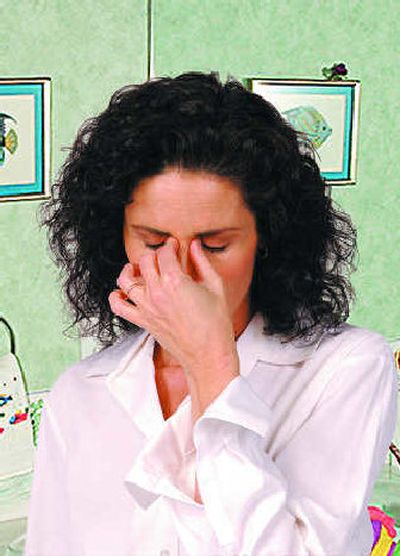
Answer: Migraine headaches are almost always one-sided headaches with a pulsating beat to the pain that’s often in synchrony with the heartbeat. Along with the migraine, people are frequently nauseated. The headache makes them sensitive to light and sound, and they look for a quiet, dark place to lie down. Activity worsens the headache. It lasts anywhere from four to 72 hours.
Some migraine sufferers experience what’s called an aura before the headache begins. The aura can be flashing lights, a blind spot in the field of vision or a numbness of the face.
Caffeine and some other foods and drinks can trigger a migraine. So can missing a meal. Menstrual periods can bring on headaches for some women.
There are effective migraine medicines called triptans that have made life bearable for sufferers. There are also medicines that can prevent frequent recurrences of these headaches.
Tension headaches, the most common kind of headache, feel like a band of tightness that squeezes both sides of the head as though it were in a vise. They can last from 30 minutes to a full week. Usually there are no visual symptoms with the headache.
The headache booklet deals with this common complaint in depth. Readers can order a copy by writing: Dr. Donohue — No. 901W, Box 536475, Orlando, FL 32853-6475. Enclose a check or money order (no cash) for $4.75 U.S./$6.75 Canada with the recipient’s printed name and address. Please allow four weeks for delivery.