
Nursery school
With their perfectly manicured hedges and all those blooming crocuses, one thing is for certain: The Joneses next door know how to get into the spring of things. And so can you – even if you and your trowel aren’t so well acquainted. However, rushing off to the nearest nursery willy-nilly is a no-no, whether you’re a novice gardener with a few herbs on the fire escape or an inveterate green thumb. Solidify your garden-center game plan: Learn how to get prepared, select the right tools and avoid growing pains altogether.
When you go
If you’re a rookie gardener, try to visit the nursery on a weekday, when the salespeople aren’t overwhelmed. Feel free to admire the plants in full flower, but buy the ones that are just budding – their fireworks will last longer, and the plants will go through less transplant shock. If you must know the flower color, choose a plant with only a few opened buds.
Finding your way
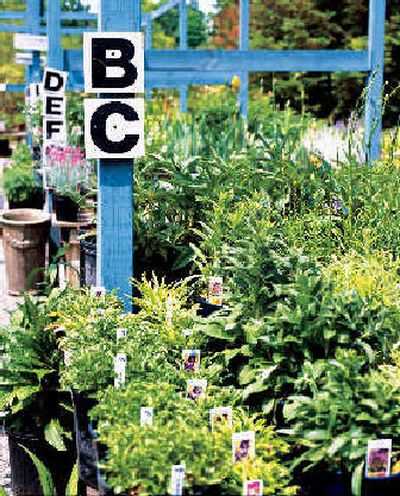
When you arrive, grab a wagon and don’t hesitate to pick up plants as they catch your eye. It will save you from having to search out those peony hybrids you saw two aisles back and make it easier to imagine how everything will look together. Fortunately, navigating the nursery is relatively simple once you know how the plant types are usually arranged.
•Perennials: Many nurseries have the perennials arranged alphabetically by botanical name (Hemerocallis), which can often be quite different from the common name (daylily). Collar a salesperson to help with translating if necessary.
•Annuals: Annuals (as well as shade plants) will often be grouped in a separate covered area or a greenhouse.
•Shrubs and trees: These items are usually grouped in yet another outdoor area and sold in containers, or “b and b” (balled and burlapped) if they are larger specimens.
What to look for
Many nurseries have display gardens with plants that thrive in your region. Take note of the varieties. Then hit the aisles for fresh ideas while keeping your specific needs in mind.
•Climate restrictions: Potted plants are often organized by the conditions under which they flourish – “sunny/dry,” “shade tolerant,” etc. Take heed of these hints and avoid choosing plants that won’t survive in your garden.
•Pots or packs? Annuals are frequently sold in multipacks for much less cost than individually potted plants. Remember, all plants of the same variety will eventually end up the same size. If you are planting a large area, save money by going with small specimens, but if you’re planting in a mature bed, bigger is better.
What you need
Garden centers stock their shelves with all manner of goods, including tools, gear, soil additives and containers. If you aren’t sure what you need to successfully complete your garden project, seek advice from the staff. And even if you think you already know, double-check your list with them to make sure you take home enough supplies to get the job done. Who wants to run back for more compost or another pot once you’ve really started to dig in?
Bagged materials
Topsoil, compost, mulch and other planting materials are sold in bags by volume (cubic feet). Go to www.areamulchandsoils.com and use the online calculator to find out how much you’ll need. Input the dimensions of the planting area and a figure for how thick you need to apply the material (2 or 3 inches for mulch). If a large quantity is called for – say, a few dozen bags – save money by buying in bulk (unbagged) and have the nursery deliver the goods to you by truck.
Containers
The variety of garden containers is wide: fragile yet beautiful terra cotta, all-season fiberglass, weather-resistant cedar and more. To find the right container for your project, go to www.realsimple.com/planters. Many garden centers will plant your containers (for a fee) if you bring them in – a real time-saver.