
Go native in your garden
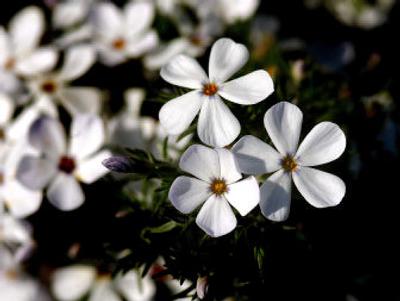
Native plants are all around us. They are the plants we take for granted in the fields and forests and on the roadsides we pass every day. They are a big part of our quality of life in the Inland Northwest.
With the warmer weather finally upon us, our native trees, shrubs and wildflowers soon will be splashing the countryside with color. In their honor, Washington is celebrating Native Plant Appreciation Week this week.
As we move toward gardening techniques that use less water, fertilizer, pesticides and care, native plants are an easy choice.
“We have that slogan ‘Near Nature, Near Perfect,’ ” says Belinda Driscoll of Firwood Nursery in Deer Park. “How much closer to nature can you get in your own back yard than by using native plants?”
Native plants are easier to grow and care for because they already have adapted to our hot, dry summers and cold, wet winters. They already have learned to live on our different soils without additional fertilizer or water, are less likely to have major pest problems and have finely tuned their growth habits to fit the many microclimates of the Inland Northwest.
Many native plants already are mainstays in our landscapes. Planting a few more of them is a good way to start learning how to go native. Here are a few of the more common ones to look for:
For ground covers consider kinnickinnick (Arctostaphylos uva-ursi) which forms a dense mat 6 inches high. It tolerates full sun and light shade and likes well-drained soil. For a low shrub in a moist place, look for thimbleberry (Rubus parviflorus). The fuzzy green leaves of this 4- to 5-foot shrub resemble maple leaves and add a lot of texture to a garden. It prefers dappled shade and spreads by underground runners. Serviceberry (saskatoon, shadberry, and technically Amelanchier alnifolia) soon will cover our hillsides with brilliant white blooms. It is an excellent small shrubby tree that grows to 12 feet. Shortly after the serviceberry finishes blooming, mock orange (Philadelphus lewisi) will begin blooming with creamy white flowers. It is Idaho’s state flower.
Vine maple and Rocky Mountain maple (Acer circinatum and glabrum, respectively) are both fast-growing multistemmed trees that can reach 25 feet tall and are ablaze in the fall with orange and red leaves.