
Radiation suspected in ex-spy’s death
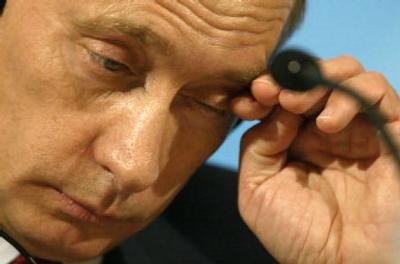
LONDON – A rare radioactive substance killed an ex-KGB spy turned Kremlin critic, the British government said Friday. In a dramatic statement written before he died, the man called Russian President Vladimir Putin “barbaric and ruthless” and blamed him personally for the poisoning.
Putin, in Finland, offered his condolences for the death of Alexander Litvinenko and denied any involvement. He called the release of the deathbed statement a “political provocation” by his opponents.
Litvinenko died late Thursday at a London hospital after spending days in intensive care as doctors puzzled over what was causing his organs to fail, attacking his bone marrow and destroying his immune system.
Britain’s Health Protection Agency said Friday that the radioactive element polonium-210 had been found in his urine, and the police said traces of radiation were found at Litvinenko’s home and a ritzy hotel bar and sushi restaurant he visited on the day he became ill.
Police said they were treating the case as an “unexplained death” – but not yet as a murder.
The 43-year-old Litvinenko, who fiercely criticized Putin’s government from his refuge in London since 2000, told police he believed he was poisoned Nov. 1 while investigating the October slaying of Russian journalist Anna Politkovskaya, another critic of Putin.
Litvinenko’s statement, read by his friend Alex Goldfarb to reporters outside the hospital, put the blame for his death squarely on Putin.
“You may succeed in silencing one man, but the howl of protest from around the world will reverberate, Mr. Putin, in your ears for the rest of your life,” the statement said.
Goldfarb said Litvinenko dictated the statement and signed it in the presence of his wife, Marina, before he lost consciousness Tuesday.
Putin strongly denied involvement by his government.
“A death of a man is always a tragedy, and I deplore this,” the Russian leader said when asked about Litvinenko during a news conference after a meeting with European Union leaders.
At a meeting Friday with Russian Ambassador Yury Fedotov, British diplomats asked Moscow to provide all assistance necessary to a police inquiry into the death, government officials said. Putin pledged to cooperate.
The Health Protection Agency described poisoning with polonium-210 as “an unprecedented event.”
Experts said small amounts of polonium-210 – but not enough to kill someone – are used legitimately in Britain and elsewhere for industrial purposes.