
Give lawn a fresh start
A friend of mine has a lawn that, well, to put it nicely is a little short on the “lawn.”
This friend works some wacky hours at a demanding job, so sometimes it’s hard for her to get to the so-called lawn.
But still, every once in a while, I hear something from her about being tired of the weeds and dead grass.
Does that sound like your lawn? If the weeds are competing with the bare spots for the honor of being called your lawn, it’s time to renovate, and fall is a great time to do so.
First, try to determine why the lawn went into decline. Renovating it won’t help if you don’t fix the reason it disintegrated in the first place.
Was it from lack of water? Or was it because that big tree is now shading part of the lawn that once was sunny? Has the lawn taken a beating from heavy traffic and the soil become compacted?
If weeds and weedy grasses have really taken over, it may be better to focus on getting rid of the weeds this fall and then replant the lawn in the spring.
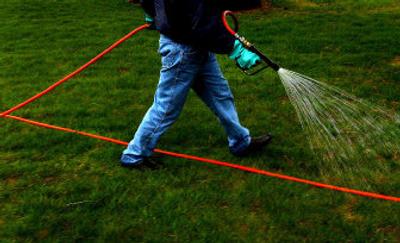
Treat the entire area you want to renovate with a nonselective herbicide containing glyphosate (Roundup). Re-treat any weeds that pop up through the rest of the fall, then wait through winter.
In the spring, after frost, follow these directions, starting with aerating:
If the lawn is just thin, early September is the perfect time to tackle a renovation. The ground is still warm, the temperatures are cooling down, and there may be rain by the end of the month.
Start by pulling any weeds by hand to get them out of the way. Mow the old lawn to half an inch and rake up the resulting material.
Next, aerate the entire lawn with a core aerator that can cut 3-inch plugs. Crisscross the lawn so that the holes end up about 2 inches apart. Rake the surface lightly to break up the plugs but don’t remove them.
Level any rough areas. Apply a starter fertilizer, if needed, and water the new seedbed well.
Select a new seed to fit your situation. Kentucky bluegrass needs full sun, while the fescues can take more shade. Use a handheld or drop spreader set at the proper settings to spread the seed.
Make two passes at right angles to each other using half the seed on each pass to get even coverage.
Rake the seed lightly to bring it in contact with the soil.
Apply a pellet straw mulch to the seedbed to help keep moisture in.
Finally roll the entire seedbed with a lawn roller to press the seed into the ground.
Water the area lightly twice a day through the end of October or until good, steady rains come. Pull any weeds that come up, but don’t use any herbicides.
If your lawn really gets going this fall, don’t mow, as the longer grass blades will help protect the lawn from winter damage.
And here’s the hardest part: Try to keep the kids and pets off the lawn.
Good luck.