
You too can improve your driving
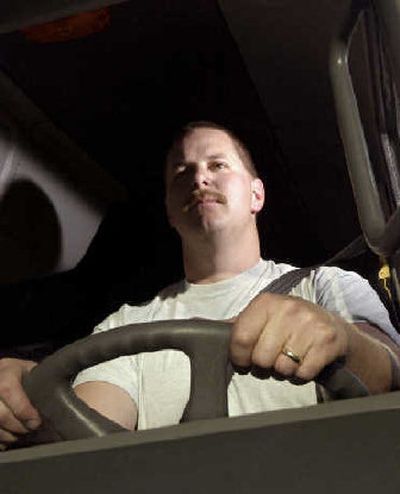
Each year one in five drivers is involved in an automobile accident, according to the National Safety Council. Good driving starts before you put the key in the ignition.
Before you set out, make sure the driver’s seat, steering wheel, seat belts, head restraints and rear- and side-view mirrors are positioned for maximum comfort, control and visibility.
Check your tire pressure and treads at least once a month, as worn tires and improper pressure can affect the steering and handling of your car and put you at risk for a crash. Check fluid levels for oil, antifreeze, transmission fluid, water and gasoline. Always buckle up. Seat belts are effective in both high- and low-speed accidents, so wear them at all times.
The National Automobile Dealers Association reports that more than half of all accidents occur after dark, even though traffic is significantly reduced. When the sun sets, remember to:
•Slow down. Reduce your speed at night to compensate for lost visibility and never over-drive your headlights.
•Dim your high beams. In most states it is illegal to use high beams within 500 feet of an oncoming vehicle. Be considerate; dim your high beams to oncoming traffic as well as to vehicles you approach from the rear.
•Use turn signals. Your chances of preventing an accident are greater if other drivers know what you are going to do well in advance of turning or making lane changes. And once you have used your signals, don’t forget to turn them off.
For enhanced driving confidence, consider changing the lights — both inside and out of — your vehicle. Brighter automotive lighting can make a big difference when you’re strapping in the kids, reading a map or searching their glove box.
As you spend more time in your vehicles for business or pleasure, brighter lights can make a difference:
• Navigating at night with brighter dome or map lighting
• Finding all the essentials in the glove compartment
• Locating everything you need in your trunk or cargo compartment
• Outlining your car with brighter directional and sidemarker lights
• Revealing the step up to your truck or SUV door
• Illuminating your car’s parking lights for oncoming traffic
• Reading license plates at night
• Watching your speed with brighter instrument lighting
• Locating all the essentials inside your car
• Communicating with other drivers with brighter exterior directional lighting
All materials courtesy of General Electric