
Likely successor praises Blair
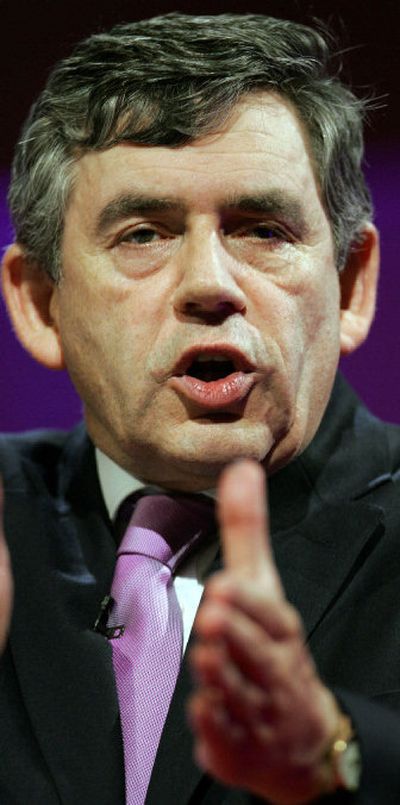
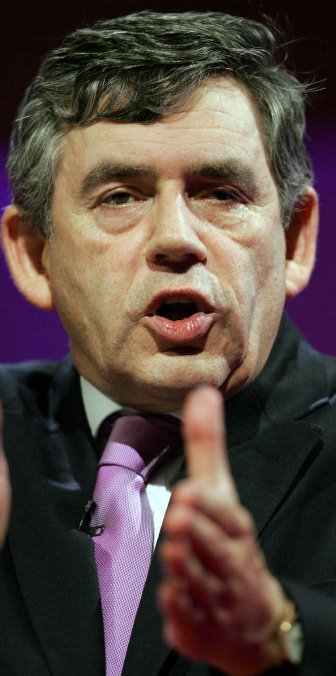
LONDON – Gordon Brown, Britain’s chancellor of the Exchequer, made an explicit bid Monday for the post of prime minister during a speech at the annual Labor Party conference in the northern industrial city of Manchester.
Brown, whose ambitions for the office have been at the heart of his party’s divisions over the tenure of Prime Minister Tony Blair, told a packed audience of party devotees that he would “relish the opportunity to take on” the opposition Tory party.
Laying out a centrist agenda notably similar to that of the incumbent, Brown gave fulsome praise to Blair’s premiership.
“It has been a privilege for me to work with and for the most successful ever Labor leader and Labor prime minister,” Brown said in his opening remarks. Blair watched, smiling, from his seat behind the speaker’s podium and later led a standing ovation.
The party has been divided lately, with many back-bench members of parliament demanding that the prime minister fulfill his pledge not to serve a fourth term, and stand down well before the next election, expected in 2009.
The serious, stoic treasury chief, who lacks the charisma of Blair, gave a workmanlike speech, and while it lacked the light touch and jokes that many leading speakers use, it was an improvement on the dour and professorial deliveries the 55-year-old Scot has made in the past, veteran Brown watchers said.
His subjects swung through international cooperation in the war on terror, global economic competition, climate change and the need for intergovernmental cooperation to fight for a cleaner environment.
Brown offered several glimpses of a foreign policy that differed little from that of Blair, who has steadfastly backed the Bush administration in Afghanistan and Iraq.
Blair, he said, “taught us … that the world did change after September 11th. That no one can be neutral in the fight against terrorism and that we – Britain – have new international responsibilities to discharge.”
But Brown also played to critics of the war in Iraq when he said, “It is my view that in future, Parliament, not the executive, makes the final decisions on matters as important as peace and war.”
In what was seen as a swipe at the charismatic Conservative Party leader, David Cameron, he said, “Some see politics as spectacle; I see politics as service.”