
Coyote Rock’s effects feared
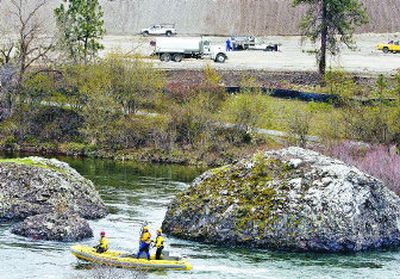
As anyone who’s recently crossed the Denny Ashlock Bridge on the Centennial Trail can attest, the earth where a concrete plant once stood beside the Spokane River in Spokane Valley has been dramatically reshaped in recent months as heavy equipment prepares the site for the proposed Coyote Rock housing development.
At a hearing Thursday, representatives for Coeur d’Alene-based Neighborhood Inc. provided more details on the 50-acre project, and a handful of neighbors expressed concerns about its impact on the surrounding area.
Plans call for houses on 30 empty waterfront lots that were platted in 1907 or 1908, said Chuck Lempesis, a lawyer representing the company.
Townhouses and apartment condominiums planned for the east end of the site, sandwiched between the river and buildings along East Empire Avenue, would bring the number of homes to about 275.
While shoreline rules usually restrict building within 250 feet of the river, Lempesis said the century-old lots were “clearly grandfathered,” and the company has negotiated a 75-foot buffer with the Department of Ecology instead.
Because the site borders the Spokane River, it requires a shoreline substantial development permit, which was the topic of the hearing.
Much of the earth-moving and the construction of a concrete wall on the south end of the property have been completed, and some at the hearing wondered why the city granted the company a grading permit before the shoreline permit was issued.
“Shouldn’t this have been established before they started messing with the ground?” asked Spokane Valley resident Tim Swope.
He expressed concern about the project’s effect on wildlife in the area and landscaping requirements next to the river.
A number of permits have been issued for the project because of its proximity to the river, including one to reclaim land contaminated by the concrete plant. While city planners said it would have been better to handle the shoreline permit at the same time as the grading permit, Lempesis assured Hearing Examiner Michael Dempsey that the company has since pursued the additional aquatic permits required by the state and met the concerns of ecology officials in regard to the grading.
Others in attendance offered testimony about the project’s effect on views of the river, storm water runoff and traffic that the housing will create on aging streets in the neighborhood.
Resident Gary Matthews, who lives across from the project and who heads a sprinkler and landscaping company, said native vegetation planted next to the river as a requirement of the permits should have permanent irrigation to control weeds. Matthews also said the city should keep an eye on the impact of paths from the houses to the water, but he said the site overall “is much better-looking than it was.”
The hearing examiner will issue a written decision on the shoreline permit in a couple of weeks.
Another hearing, not yet scheduled, will take place on a proposal to rezone the property to allow high-density housing.
Work on the site that has taken place so far has also has raised the ire of some neighbors.
One said construction has started before 6:30 a.m., which would violate the city’s noise ordinance.
The Fire Department has been notified of illegal trash fires on the site three times, said department spokesman Bill Clifford.