
Floods ravage North Korean farmland
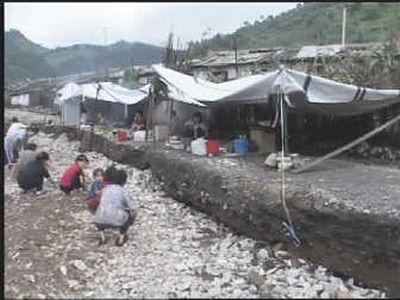

SEOUL, South Korea – North Korea detailed a picture of massive devastation Wednesday from some of the country’s heaviest rains that official media said wiped out more than a tenth of the impoverished country’s farmland during peak planting season.
If confirmed, the destruction to the country’s agriculture sector would be a quarter of the damage the North claimed it suffered in massive flooding in 1995. That disaster, coupled with outdated farming methods and the loss of the country’s Soviet benefactor, sparked a famine that is estimated to have killed as many as 2 million people.
North Korea has said that “hundreds” were killed or went missing in this month’s floods and as many as 300,000 people were left homeless. An aid agency working in the country said it was told the casualties numbered at least 200.
The vivid portrait of damage in reports from the North’s state-run media appeared to be a cry for help from a desperate regime that maintains strict secrecy of its internal affairs. But the North has also previously exaggerated the extent of disasters to obtain aid and cover up its own ineptitude in providing for its people because of its decrepit, centrally controlled economy.
The official Korean Central News Agency reported Wednesday that downpours along some areas of the Taedong River were the “largest ever in the history” of measurements taken by the country’s weather agency.
An average of 20.6 inches of rain fell across the country from Aug. 7 through Saturday, 2.1 inches more than the downpours that battered the country in August 1967, KCNA said.
The recent rains have submerged, buried or washed away more than 11 percent of rice and corn fields in the country, KCNA reported, citing Agriculture Ministry official Ri Jae Hyon.
“It is hard to expect a high-grain output owing to the uninterrupted rainstorms at the most important time for the growth of crops,” KCNA said.
The World Food Program estimated that the amount of damage the North Koreans claimed to its fields would result in losses of about 450,000 tons of crops – nearly half of the 1 million ton annual shortage the country already faces.
The amount is less than the 2 million tons the North said was lost in 1995 floods at the start of its famine, said WFP spokesman Paul Risley.
“Nonetheless, this would be an extremely serious reduction in the amount of the harvest,” he said.