
Give indoor plants TLC they deserve
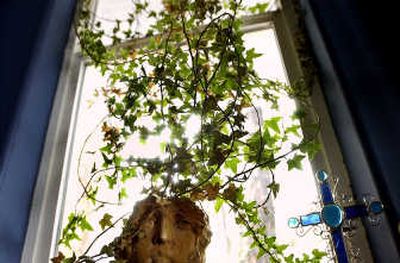
The bright colors of the growing season have been replaced by the more subtle colors of the sleeping garden. Winter colors are beautiful but it is a little harder to get out and enjoy them. While a good walk on a winter afternoon gets the blood going, the lack of green leaves can be hard on a die-hard gardener. It’s time to turn to our houseplants for that companionship.
Here are a few tips to keeping them looking good.
Prune pests
If your plants spent time outdoors this summer now is a good time to check for bugs that might have hitchhiked indoors on them. Check under leaves and in the joint between the stem and leaves. If you find some, identify them and treat them accordingly. A little insecticidal soap for aphids and other soft-bodied insects or some alcohol for mealy bugs and scale may be all you need. If soil gnats are a problem, let the surface of the soil dry out between waterings or put a thin layer of sand on the soil to block their access to the damp soil.
Spare the water
The biggest challenge houseplants face in the winter is overwatering. Even though the plants are indoors, they are hibernating just like outdoor plants and aren’t growing actively. They don’t need as much water as they do in the summer. Water them only when they are dry. To determine this, insert a finger into the soil down to the first joint. If it’s dry its time to water. Remember that plants with thick leaves like cacti, jade plants and Christmas cacti may prefer to dry out more than other plants. Watering them too much induces root rot. Don’t leave plants standing in water for more than an hour or so. Wait until late March to apply any fertilizer or do any repotting.
Let in the light
Winter light levels are much lower than those of summer so it’s even more important to make sure that each plant gets the right amount of light. South and west-facing windows are the perfect place for many plants but north and east facing ones will work if they are large. Plants should be placed fairly close to windows as light levels drop quickly as you move back from the window. This means that even though the plant in the far corner of your living room is facing a south window, it probably isn’t getting enough light. If plants are leaning toward a window, consider putting in a florescent shop light a few inches above them to supply extra light.
Keep it cool
Most houseplants like daytime temperatures of 65 to 70 degrees and night temperatures of 60 to 65 degrees with a humidity level of 40 to 60 percent. Remember that plants very close to windows can freeze if it gets very cold outside. Humidity levels in an average house tend to be lower than some plants like. Group plants together or place them on a tray of gravel filled with water to raise the humidity.