
Original Metropole
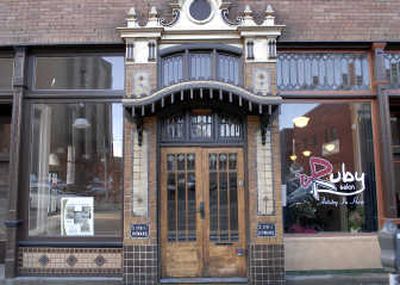
Unlike other historic buildings that have been renovated into new uses in downtown Spokane, the historic Metropole Apartment Building at Second Avenue and Howard Street is going to be maintained in its original character as an apartment house of downtown wage earners and street-level shops for small businesses.
“I like it. It’s beautiful,” said Brenda Maki, owner and hair stylist at Ruby Salon Howard Street below the apartments. She opened her business in the Metropole building last June.
Inside, the brick walls and hardwood floors provide a comfortable atmosphere for clients, but the best part may be the price, she said. Maki got into the shop for $1,000 a month, an amount she considered affordable for a downtown location.
Upstairs, the one-bedroom and studio apartments rent for as low as $500 a month.
The Spokane City Council on Dec. 17 approved listing the Metropole on the Spokane Register of Historic Places. The vernacular brick building also is part of the East Downtown National Historic District.
“It’s a needed niche” for wage earners and small shops, said Jim Kolva, who wrote the historic nomination for the building.
The Metropole, which housed the Cozy Inn Tavern for more than 70 years, was built in stages beginning in 1899, and in its day was considered one of the finer apartment buildings for middle-income workers for a booming city in the early 1900s.
Today’s owner has chosen to maintain the working class character of the building rather than turn the apartments into pricey condomiums.
The owner also has been relatively choosey about storefront tenants, having rejected an offer for a convenience store, according to Kolva. A second tenant so far is a Yoga studio.
The owner, Robert Hall of Daylight Development in Bellingham, sought the local register listing to take advantage of tax incentives, but also because he is commited to preserving historic buildings, said Kolva.
Daylight Development owns the Peyton Building in Spokane. Hall had the Peyton Building placed on the local register in 2005 to acknowledge and document its historic value.
At the Metropole, renovation of the ground floor included replacing and repairing the foundation bulkheads at the entryways and restoring the tile and adornments that originally decorated the entrances. Windows and doors now replicate the period look. Some original beveled glass remains above the transoms.
The goal, Kolva said, has been to make the building look as original as possible.
Along Howard Street, sturdy oak doors with beveled glass open into the staircase landing for the apartments. Overhead is an arched transom. Inside, the walls have glazed terra cotta tile, leading to a landing with another set of doors with leaded and beveled glass.
Most of the single-room occupancy hotels built elsewhere in downtown in the early 1900 had shared baths and kitchen facilities. The Metropole provided kitchen areas and bathrooms in each unit.
Built with 18 apartments on the upper two floors, the building was designed by architect Charles F. White for owner Charles D. Bibbins and completed in 1901. Its construction involved erecting three separate brick structures and joining them together as a single property.
To inquire about apartment vacancies, contact Rebekah at 747-5734.