
Petraeus is cautious, but optimistic, on Iraq
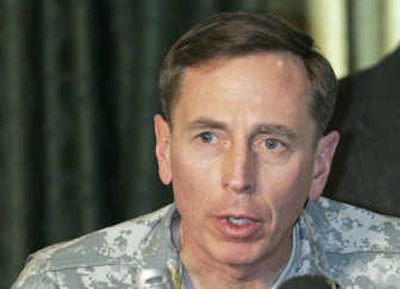
BAGHDAD, Iraq – The top U.S. commander in Iraq, Gen. David Petraeus, delivered a positive but cautious assessment Saturday of progress in the country over 2007, citing the drop-off in violence over the latter half of the year but warning that the insurgent group al-Qaida in Iraq remains the country’s pre-eminent threat.
Petraeus said the number of weekly attacks in Iraq – such as roadside bombs, mortars and sniper fire – has fallen by about 60 percent since June, down to about 500 a week by late this month. The number of Iraqi civilians killed in December through the 22nd appeared to be about 600, according to a graph over the past two years provided by Petraeus using combined Iraqi and U.S. figures. The highest death toll during this period was last December, when about 3,000 civilians were killed.
“The positive security trends and the factors that produced them are changing the context in many parts of Iraq. While progress in many areas remains fragile, security has improved,” Petraeus said during a briefing for reporters at the U.S. Embassy in Baghdad. He added that success “will emerge slowly and fitfully, with reverses as well as advances, accumulating fewer bad days and gradually more good days. There will inevitably be more tough fighting.”
The downturn in violence is generally attributed to three factors that emerged over the year: the arrival of 30,000 additional U.S. soldiers, the emergence of tens of thousands of Sunni militiamen who aligned with American troops against al-Qaida in Iraq, and the decision by Shiite cleric Muqtada al-Sadr to call for a six-month cease-fire. Petraeus also cited a drop-off in fighters coming into Iraq from Syria and Saudia Arabia, and a decline in weapons believed to be manufactured in Iran being used in recent months.
Iraqi officials from the Interior Ministry, in a separate briefing Saturday, singled out the rise of the Sunni groups, known often as the sahwa, or Awakening, as a main reason for improvement in 2007, a rare public endorsement from the Shiite-led government, which has been wary of, and sometimes opposed to, these groups. Maj. Gen. Ayden Khaled Qadir, deputy interior minister for security affairs, said they have plans to include 12,641 people from these groups into the police force in Baghdad by the end of next April.
The Iraqi government has been slow to adopt them into the police force out of fear that many were former insurgents who have an anti-Shiite outlook.