
Bill would boost disability assistance
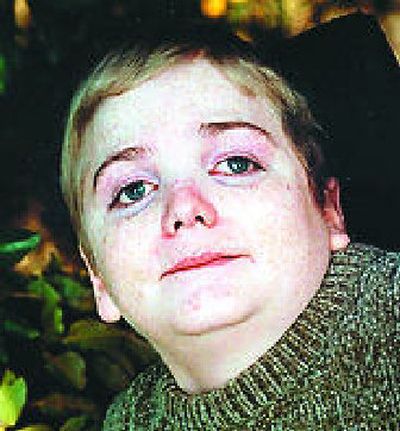
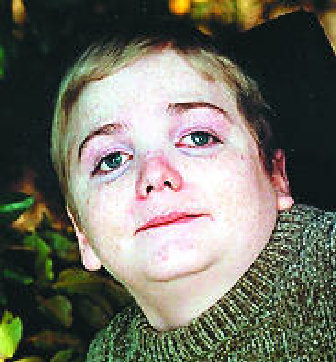
OLYMPIA – A year after Lance Morehouse Jr. died of complications from injuries suffered in an icy plunge nearly two decades ago, the Spokane man may end up being remembered in a law that helps families care for developmentally disabled children.
Advocates and families from around the state are pushing for a bill – named in honor of Morehouse – to expand and make permanent a patchwork of state programs that help families buy medical equipment, hire therapists, modify homes and periodically bring in nurses or other caregivers to give stressed families a break.
Some of the caregivers are in their 80s and 90s, struggling to care for developmentally disabled children, said Sue Elliott, executive director of the Arc of Washington.
“It’s a lifetime commitment,” she said. “Not many people know these people are out there, day after day, taking care of their sons and daughters.”
At hearings in Olympia, parents have described the extra costs and emotional toll of caring for developmentally disabled children. They talked about the heartache of being told children will never talk or even sit up on their own, of struggling to find and pay for therapy for autistic children, of trying to strap Velcro on a struggling child’s leg braces. Having the state pay for so-called respite care is a lifeline, they said.
Morehouse was 7 years old in 1989 when he ventured out onto the thin ice of the Spokane River. It broke, and it wasn’t until half an hour later that the boy was found by rescuers. His oxygen-deprived brain was severely damaged, leaving him in a coma for six months.
His father, Lance Morehouse, was overjoyed when the boy finally came home on Christmas Eve 1991. State money helped pay to put a wheelchair ramp on a van he’d bought. State funds also helped hire a nurse from time to time to relieve Morehouse and his wife of their caregiver duties.
“It allowed us to go out one time a month and have some time for ourselves, so we could be better parents to Lance Jr.,” said Morehouse, who went on to become an advocate for families dealing with developmental disabilities. .
Rep. Eric Pettigrew, D-Seattle, said he’s sponsoring the bill because of a family he met shortly after he was elected in 2002. A 69-year-old woman was caring for her 17-year-old developmentally disabled granddaughter, who was in a wheelchair, couldn’t speak and used a computer to communicate.
The girl’s mother, unable to cope with caring for her disabled daughter, had left her at the grandmother’s house.
Unable to afford a wheelchair ramp up her steep lawn, the grandmother relied on a relative who would come over twice a week to carry the girl to a van.
That woman “needed some help,” said Pettigrew.
For 30 years, Elliott said, state lawmakers and governors have provided help to these families by writing orders into state budgets, setting aside some money a year or two at a time. That’s spawned a complex system of overlapping family support services with different rules. The state’s annual cost now is about $12 million.
Pettigrew’s House Bill 1548 (there’s a similar bill in the Senate) would halt the year-to-year renewal of the multiple programs in favor of a permanent, one-stop Individual and Family Services Program. The bill originally designated $2,000 to $6,000 worth of help per family per year, depending on need. It has been revised to let the state Division of Developmental Disabilities set those levels. Advocates are resisting some senators’ calls to limit the state aid to families earning $60,000 or less per year, saying that caring for a developmentally disabled child can cost more than twice what it costs to care for other children.
The bill itself would not add more families to the program – more than 9,000 are on a state waiting list now – but Gov. Chris Gregoire has proposed spending an additional $2.3 million over the next two years to add 940 more families.
“At least it’s something,” said Elliott.