
Libby case goes to jury deliberations
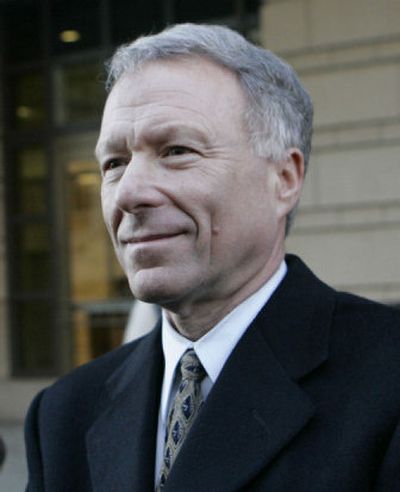
WASHINGTON – After a month of testimony and a day of impassioned debate by the lawyers, a federal jury Wednesday began considering the perjury case against Lewis “Scooter” Libby.
U.S. District Judge Reggie B. Walton instructed the eight-woman, four-man panel on the law underlying the five-count indictment against Libby, and sent them off to begin deliberations. Walton urged the panel to use its “common sense experience” in determining whether Libby was guilty of an illegal cover-up or of merely having a bad memory.
The jury adjourned Wednesday afternoon without reaching a verdict and will resume deliberations this morning.
Libby is charged with obstructing justice, perjury and making false statements to investigators. The government alleges that his actions impeded a three-year federal probe into the outing of a CIA operative who was married to a critic of the Bush administration.
Prosecutors have alleged that a campaign to discredit former envoy Joseph C. Wilson IV boiled over, and that Wilson’s wife, CIA arms-proliferation analyst Valerie Plame, was exposed in the crossfire. Libby tried to conceal his involvement because he feared he had disclosed classified information, the government alleges.
The defense portrayed Libby as an overworked civil servant operating at the highest levels of government whose memory was fogged because of the pressing affairs of state. Libby, once Vice President Dick Cheney`s chief of staff and national security adviser, did not testify, and his lawyers put on a limited defense that focused mainly on attacking the credibility of government witnesses – a number of whom had memory problems of their own.
Walton said Wednesday it was up to the jury to decide the credibility of those witnesses, and he urged the members of the panel to draw on “your common sense experience” in assessing the testimony they offered about the defendant. He said the fact that Libby exercised his right to remain silent during the trial should not be held against him.
Summarizing the defense, Walton said: “Mr. Libby contends he told the FBI and the grand jury his honest recollection at the time, and to the extent any of those recollections were incorrect, his mistakes were innocent,” and that “the amount and scope of vital national security issues confronting him on a daily basis” affected his ability to recall events accurately for investigators.