
Home Safety: Help kids, pets with ‘pawsitive’ relationships
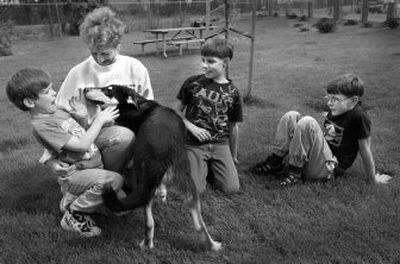
Dogs, like children, are part of the family. But no matter what the dog’s temperament, families with young children should take some important safety precautions.
For the children’s safety and the dog’s, it’s crucial that they learn how to play nicely with each other. Here are some suggestions:
“Choose the right breed and personality. Generally the large breeds — Labrador and golden retrievers and standard poodles — are tolerant of kids. But each dog is an individual, so ask the breeder or rescue shelter about the dog’s personality before you purchase or adopt.
“ Understand the pet’s behavior. Pets can become upset by too much stimulation. The Humane Society of the United States recommends teaching your kids to heed warning signs like hissing or lip curling, which indicate the animal wants to be left alone.
“ Teach the kids good manners. They should never disturb the dog while it’s eating, taking a nap or playing with its favorite toy.
“ Keep an eye on things. Some dogs get very excited and agitated when confronted by lots of kids. And older dogs can be frightened by the high-pitched sounds and quick motions of children playing. Young children and dogs should always be supervised when together. And when your baby starts crawling, keep the dog by your side until it gets used to seeing a tiny human speeding across the floor.
“ Walk together. Children love holding a dog’s leash, but an adult should be there to supervise, according to the People and Dogs Society. A child may not be able to control even the most mild-mannered dog if it is approached by another dog. And children can tug too hard on the collar and leash, injuring the dog.
“ Demonstrate respect. Children should learn which parts of the dog’s body they can touch and pet and how to touch gently. For instance, your dog may love belly rubs and having its head stroked but resent having its feet or tail touched.
By giving a little extra attention to these all-important relationships, your family will certainly enjoy many “pawsitive” years of love and companionship.