
Double bombing averted in London
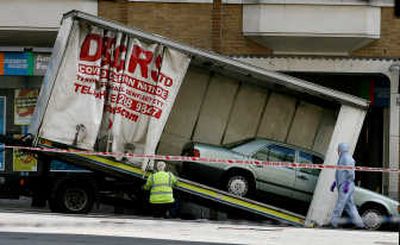
LONDON – British police thwarted a pair of apparent terrorist attacks in central London’s crowded theater district Friday, defusing bombs fashioned from gasoline, gas cylinders and nails and hidden inside two parked Mercedes sedans. Police said that if the explosives had detonated, they could have killed or injured hundreds of people.
Police found the first car – a pale green Mercedes parked outside the upscale, three-story Tiger Tiger nightclub near Piccadilly Circus – by accident. An ambulance crew responding to an unrelated call at 1:30 a.m. noticed smoke in the vehicle and alerted authorities.
According to British television reports, a police officer found a cell phone inside the vehicle that was to be the bomb’s trigger and turned it off.
The second car, a blue Mercedes, was parked nearby about the same time. But around 2:30 a.m., the car was ticketed by London’s ever-efficient parking enforcers and an hour later was towed to an underground garage at Hyde Park, police said. It was only many hours later, after news of the first bomb blanketed the airwaves, that workers notified police that the towed car reeked of gasoline.
No one asserted responsibility for the bombs, and police announced no arrests. But a senior government official said the two explosives appeared to be “al-Qaida-inspired.”
In New York, officials said they tightened security at Times Square and other landmarks in the wake of the news from London.
A U.S. counterterrorism official, speaking before the second bomb was confirmed, said that the first one did not appear to be highly sophisticated but that the intended effect of an operation of this kind goes “beyond physical damage”: instilling terror. Early indications were that the explosive was not intended as a suicide weapon, the official said.
Peter Clarke, who heads Scotland Yard’s anti-terrorism efforts, said the similarity of the bombs indicated that they were probably the work of the same people. “The threat from terrorism is real,” Clarke said.
Many Londoners shrugged off the news, saying they no longer feel rattled by such threats. For years, the city was subjected to periodic bombings by the Irish Republican Army, including one at the Canary Wharf development in 1996 that killed two people and injured 100.
Since Britain joined the United States in the 2003 invasion of Iraq, Muslim extremists have issued constant threats of bombings and sometimes carried them out. Next week is the second anniversary of the July 7 subway and bus attacks that killed 52 people and four suicide bombers.
“We are getting used to hearing this kind of news,” said Emmanuel Eshepu, a 39-year-old London resident. “That is the way it is now.”
Police cordoned off many of the busiest streets in central London, which are even busier than usual these summer days in the height of the tourist season. Major traffic disruptions and business closures resulted. Several theaters shut their doors on what normally would be a busy Friday night.