
Pilot in Bay Area oil spill took many drugs
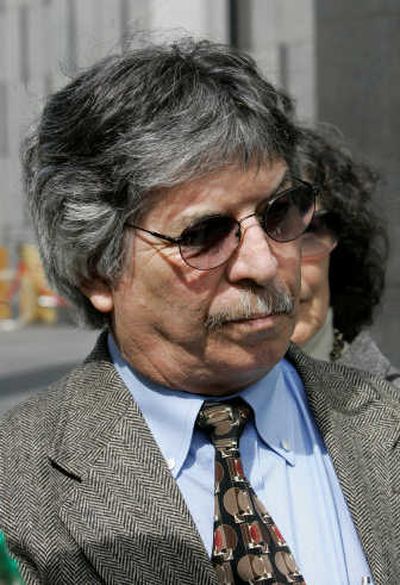

WASHINGTON – The pilot who steered a freighter into the San Francisco-Oakland Bay Bridge last fall, causing a huge oil spill, had a drunken driving conviction and a history of alcohol abuse and took numerous prescription drugs that could have impaired his judgment, federal investigators said Wednesday.
Capt. John Cota had regularly received waivers allowing him to keep his federal mariner’s license despite a long list of illnesses including glaucoma, depression, kidney stones, migraines, pancreatitis and, most recently, sleep apnea, according to testimony at a National Transportation Safety Board hearing.
He fought many of the conditions with pills, including lorazepam, an anti-anxiety drug, Imitrex for migraines, Provigil to increase wakefulness, and Darvon Compound-65 for pain. Some of these medications could affect his cognitive abilities by themselves and taken together the side effects could be compounded, a medical witness said.
“I wouldn’t want anyone taking those medicines and having to make decisions in a safety-sensitive position,” Dr. Robert Bourgeois told an NTSB panel during the second day of a two-day hearing on the Nov. 7 accident.
Bourgeois, who performs physicals for the Federal Aviation Administration and also examines mariners, said Cota shouldn’t have had his pilot’s license renewed after a physical last year added sleep apnea to the conditions he already had. The sleep disorder can cause daytime drowsiness and Cota was treating it with a machine to help him breathe at night as well as pills.
The Coast Guard agreed, but too late. The agency asked Cota, now 60, to relinquish his license after the accident once they took a closer look at his medical file. Coast Guard officials say they’re now tightening up medical oversight of ship pilots, which is much looser than what airline pilots or members of the military undergo, according to testimony Wednesday.
Cota has pleaded not guilty to criminal negligence and violating environmental laws and he declined to testify at the hearing. His lawyer disputed the assessments of Cota’s condition but declined to say what medications the pilot was on the morning of the accident. Attorney Jeff Bornstein noted that Cota passed a drug and alcohol test after the accident, though such a test isn’t meant to detect most legally prescribed drugs.
“There’s absolutely no link between any of the medically prescribed medications that Captain Cota used on the morning of Nov. 7 and this incident,” said Bornstein.
“We have said from the beginning that a timely clear warning by the Coast Guard, along with accurate information by the captain and crew of the Cosco Busan, are important factors that need to be evaluated by the government,” Bornstein said. “Had there been effective bridge team management and/or a clear warning from the Coast Guard, this incident would never have occurred.”
With Cota piloting, the 900-foot Cosco Busan sideswiped a support of the San Francisco-Oakland Bay Bridge in heavy morning fog, gashing the ship’s side and fuel tank. The spill fouled the fragile bay with 53,000 gallons of fuel oil, killing or injuring thousands of birds and closing beaches.
NTSB investigator Dr. Barry Strauch revealed Wednesday that Cota had a DUI conviction in February 1999, apparently was diagnosed with alcoholism and entered an alcohol rehabilitation program. The alcohol use was likely the cause of his pancreatitis, Bourgeois said.
Pilots like Cota, who board ships in local ports to help them navigate in and out, are required to have annual physicals. However, until last year the Coast Guard automatically reviewed those physicals only every fifth year when a pilot’s license came up for renewal. A policy put in place last year, before the Cosco Busan crash, now has the Coast Guard review the physicals annually.
Documents released by the NTSB on Tuesday showed Cota was confused over the ship’s navigation system as the Cosco Busan got underway the morning of the accident. He and the ship’s Chinese-speaking master miscommunicated over navigation charts, and Cota thought the master was indicating an opening in the bridge but it was actually a bridge support.