
New management brings course up to par

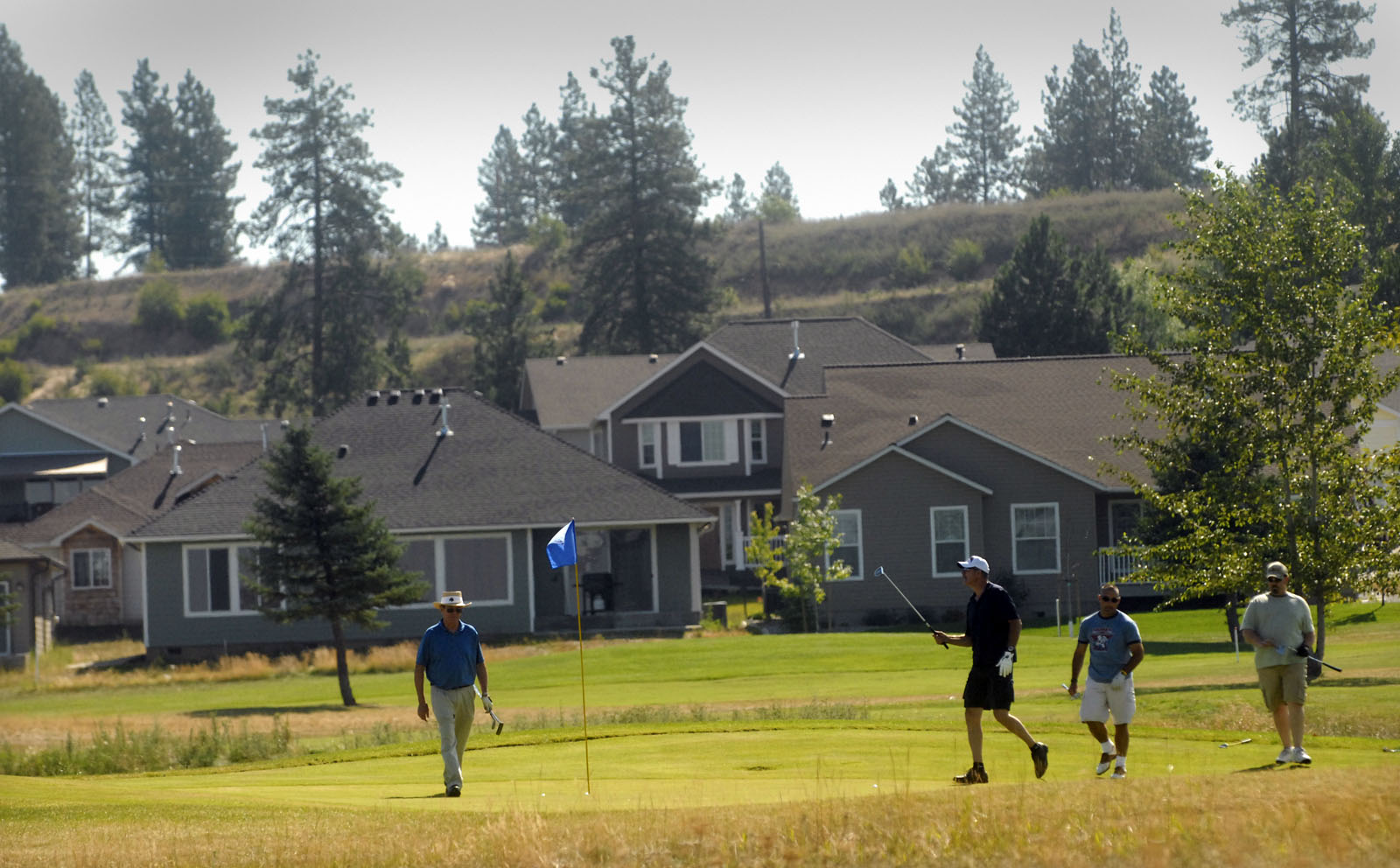
When Kris Kallem took over as the general manager of Fairways Golf Course last year, the greens had spots of brown and sections of the fairway were stiff and sunburned.
Kallem landed his first Fairways job picking up range balls back in high school and for the last 19 years has given his golf seasons at the West Plains course. But in recent years both he and Jerry Zink, who started in 1988 and is now director of golf, had become increasingly discouraged as the course deteriorated.
“We watched the golf course suffer through several years of neglect,” Kallem said. “In 2006 it was in dire need of water and under-fertilized.”
When the 18-hole Fairways was built in the late 1980s, Kallem says designers installed an irrigation system that reaches only the greens and a few sections of the fairway. The lack of water was aggravated by the West Plains setting, where extreme temperatures and occasional windy days combine to siphon off what little moisture there is. Add to these issues a clay-rich, compacted soil and you’ve got a frustrating recipe for thirsty turf.
“You can throw all the water in the world on it and what happens is that the majority will run off or evaporate before it ever gets down to the plant roots,” Kallem said.
Relief arrived in early 2007, when local developer Buster Heitman purchased the Fairways Golf Course along with nearby West Terrace, a 440-home golf community.
Heitman bankrolled the course’s resurgence and retained both Kallem and Zink as golf professionals with a say in determining the direction of the course.
“Both of them are just unbelievably upstanding people,” Heitman said of Kallem and Zink. “Those guys have been in the golf business for a combined 45 years and I’ve been in it for 18 months, so I have to trust their judgment on a number of issues.”
Zink has some compliments of his own for the new boss, describing Heitman as a hands-on owner who takes a keen interest in the course.
“I came in Saturday at six in the morning and he’s out in his Bobcat moving dirt,” Zink said. “It’s exciting to see an owner who really wants this golf course to succeed and he’s not afraid to roll his shirt-sleeves up and get out there and do what it takes.”
What it’s taken so far is a lot of hard work. In the last year alone, says Heitman, his team has expanded the irrigation network, constructed a new cart barn for 40 new golf carts, increased the size of the fairway, built a new patio and barbecue area, done extensive work on the driving range and made numerous other improvements to the course and clubhouse.
In addition to all the upgrades, Kallem says sweeping changes have been made to how things are done on a daily basis. The course is watered, fertilized, aerated and mowed more often and is now protected from tamping by roped-off, designated cart paths. There is a renewed emphasis on customer service and a marshal program has been installed so that the pace of play isn’t bogged down during busy days and tournaments.
Kallem says that, for all the improvements, he and Zink often have to remember not to get ahead of themselves. “For us, being golfers as well as business managers, we’re never satisfied and we’re impatient with the progress of the place,” he says. “But then we take a step back and look at those old photos (of the course) and say, ‘OK, it takes time to come back from something like that.’ ”
And while Heitman is optimistic about the future of Fairways, he also feels that the business will have to work doubly hard in order to overcome its past.
“The quality of experience wasn’t really there and, as a result of that, I think its hurt us pretty dramatically,” he says.
Heitman says that the greatest challenges in the next few years have less to do with keeping the grass healthy than changing attitudes in order to make Fairways into a more community-minded business than it was before.
“What we’ve done is try and include the community,” he says, “To have that community really buy into the golf course and use the facility; not only the people that live right there but also Cheney, Medical Lake and Airway Heights.”
Kallem says that so far it seems to be working. “It’s rewarding because we get that feedback from our customers saying, ‘Thank you, I had a great round, I’ve never seen it look this good.’ It’s fun after all these years to finally have a say in what goes on out there and to see that impact.”