
Proposal restores damaged shore
Plan part of effort to have ‘no net loss’ of natural habitat along river
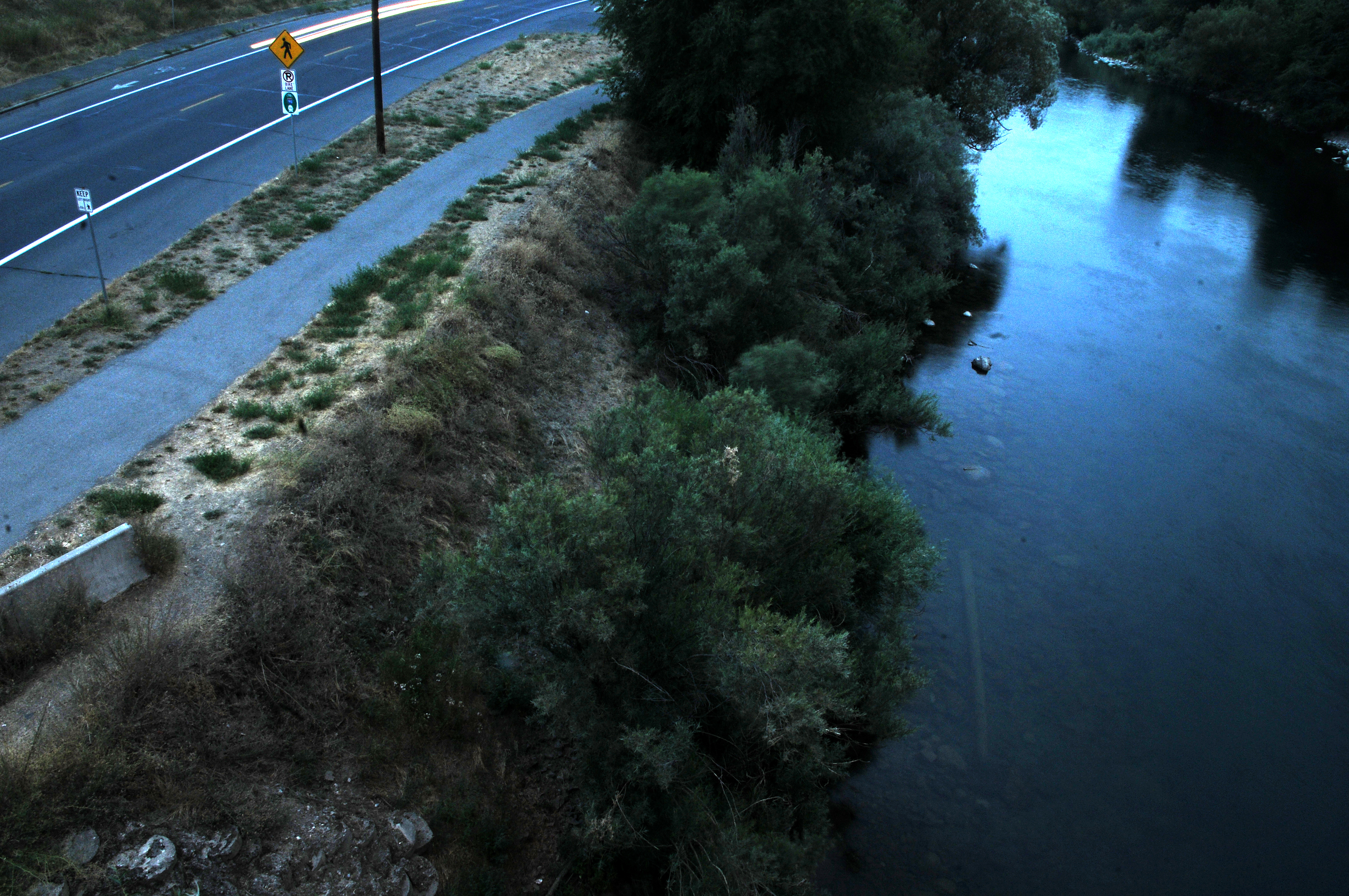
Twenty-seven segments of Spokane River and Latah Creek shoreline could benefit from stream-side restoration under a plan being considered at City Hall.
Damaged and denuded river banks should be restored with trees and native vegetation to improve habitat for fish and wildlife and to enhance the quality of stream water, the plan says.
Spokane planning commissioners and City Council members in the next several months are expected to adopt a multiyear effort to rewrite and modernize the city’s shoreline management plan as required by the state.
The plan will include new regulations on shoreline development, set the stage river bank restoration, and provide new zoning rules to protect views of the river in the urban core. The emerging shoreline plan replaces one adopted in 1976 and last updated in 1982.
Restoration of shorelines is a new state requirement and is linked to a legislative policy that no new shoreline habitat can be lost to development without habitat being replaced or restored elsewhere along the river. The goal is “no net loss” of natural shoreline habitat.
The new plan comes from years of consultant work and public input that city planner Joanne Wright said “has been very extensive.”
Ranked at the top of the list of proposed restorations is a 2.5-acre segment of river bank on the north side of Spokane Community College that is being described as a future “river walk.” Because it runs along a south bank, the planting of new trees would eventually shade the water and help keep it cool during the summer, an important environmental issue.
Engineering consultant URS Corp. said in its restoration proposal that the city could work in cooperation with the college as well other public and private organizations to obtain funding and grant money for restorations at SCC and other locations.
The project at SCC would include noxious weed control and restoration of bare embankment with native cover.
River bank restoration could fit into a redesign of the SCC campus that will be needed when a North Spokane freeway is built along its western edge in coming years, said Mary Harnetiaux, spokeswoman at SCC.
“It’s a really neat part of campus,” she said of the river bank.
The consultant also identified a series of publicly-owned properties where the river bank is damaged or defoliated and where restoration work could be done.
They include Campion, High Bridge, Latah Creek, High Drive, Wentel Grant, Downriver, Peaceful Valley, Riverfront, North Bank, Mission and Shields (Minnehaha rocks) parks.
Also on the list are Qualchan and Downriver golf courses, Summit Boulevard Parkway, Hamblen Conservation Area, Glover Field and Upriver Drive Parkway.
The consultants pointed out that groups such as Friends of the Falls and the Peaceful Valley Neighborhood are working on restoration and river trail projects, and that the city should work in conjunction with them.
Other groups, including the Latah Creek Stream Team, Lands Council, Futurewise, Boy Scouts, Sierra Club and Inland Northwest Wildlife Council, have shown interest in river restoration.
The consultants also recommend that the city take advantage of countywide Conservation Futures funding to purchase private lands where restoration would be beneficial.
“These are opportunities for the shoreline/shoreland restoration for the city’s consideration as the plan is implemented,” the consultant said.
The city Plan Commission is scheduled to hold a public hearing Sept. 10 for shoreline regulations prior to making recommendations to the City Council, which is tentatively set to consider the plan in October.