
Out & About
OUTCRY
Room for improvement
Reorganization of Spokane area’s Department of Emergency Services has left search and rescue “in flux as far as whose running the program,” Spokane County Undersherriff Jeff Tower said last month.
Leadership for training also is a problem as two Sherriff’s deputies previously assigned to DES have been withdrawn, he said.
Bottom line: Don’t get lost now.
OUTSTANDING
Special skills required
“We have a rule to never put a search-and-rescue volunteer in harm’s way; in other words, they’re supposed to participate only in operations for which they’ve been trained,” said Chris Barnes, Spokane County DES coordinator.
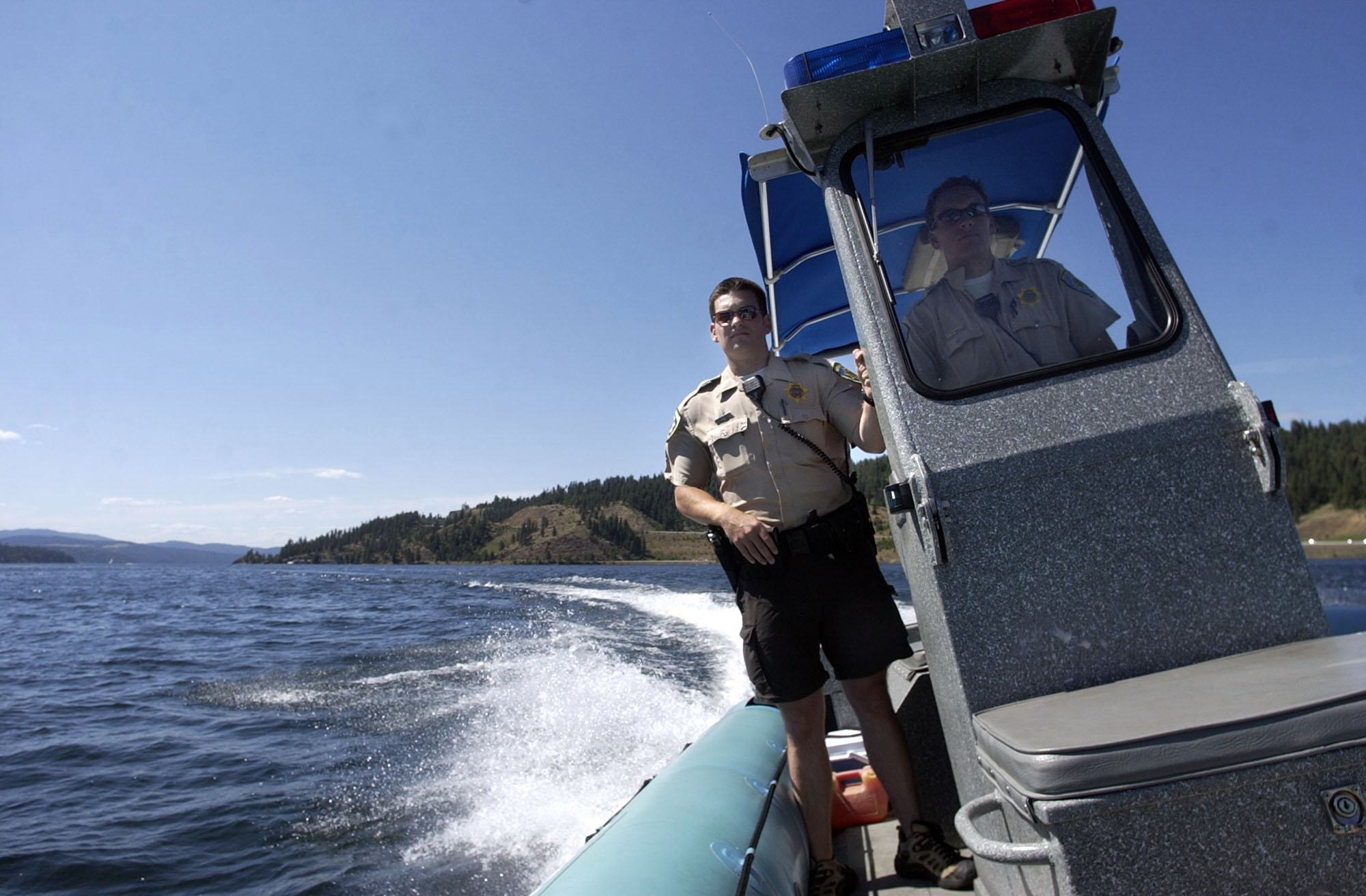
While both Spokane and Kootenai counties have professional marine patrols and rescue units, they also rely on area whitewater rafters who are trained in swiftwater rescue.
The Spokane Mountaineers have a group that specializes in technical rope and climbing rescues.
“Those are inherently hazardous activities that require more training than most groups,” Barnes said.
OUTNUMBERED
Who needs SAR?
Climbers may garner the most media attention when they need help, but they rank with mushroom pickers in the rate at which they trigger search-and-rescue missions.
Motor vehicle operators are the most common rescue subjects in the Northwest.
Following is a breakdown of the top five groups requiring search-and-rescue missions in Oregon, according to the state Office of Emergency Management (numbers are the percentages of searches by activity for the 566 missions recorded in 2005):
*Motor vehicles 20.5, hiking 13.8, **wandering 10.1, hunting 9.4, boating 6.4, suicide 5.5, swimming 4.2, fixed-wing aircraft 3.7, climbing 3.4, mushrooming 3.0.
*Includes ATVs and snowmobiles.
**Hiking without a destination.
OUTGOING
Rough-rider rescuers
Of the 84 volunteers involved in the Priest Lake SAR, about 30 members are snowmobilers.
“I’d rank 10 of them as having really extreme backcountry riding capability,” said coordinator Mike Nielsen.
“I’m 60 and it takes a younger guy to do that kind of riding.”
OUTSMART
When visibility counts
Most Washington hunters have an advantage over Idaho hunters when emergency strikes in the field.
Washington hunters are required to wear some fluorescent orange clothing during most seasons while Idaho hunters are legal to hunt while wearing camouflage, a garb most of them prefer.
“Bright clothing really helps searchers, especially air searchers,” said Rick Anderson of Stevens County Emergency Services.
OUTLAST
Donate body parts here
“It’s not all that easy to obtain materials for training your search dog to find human remains,” said Alida King of Spokane.