
Riders don’t fear drug tests

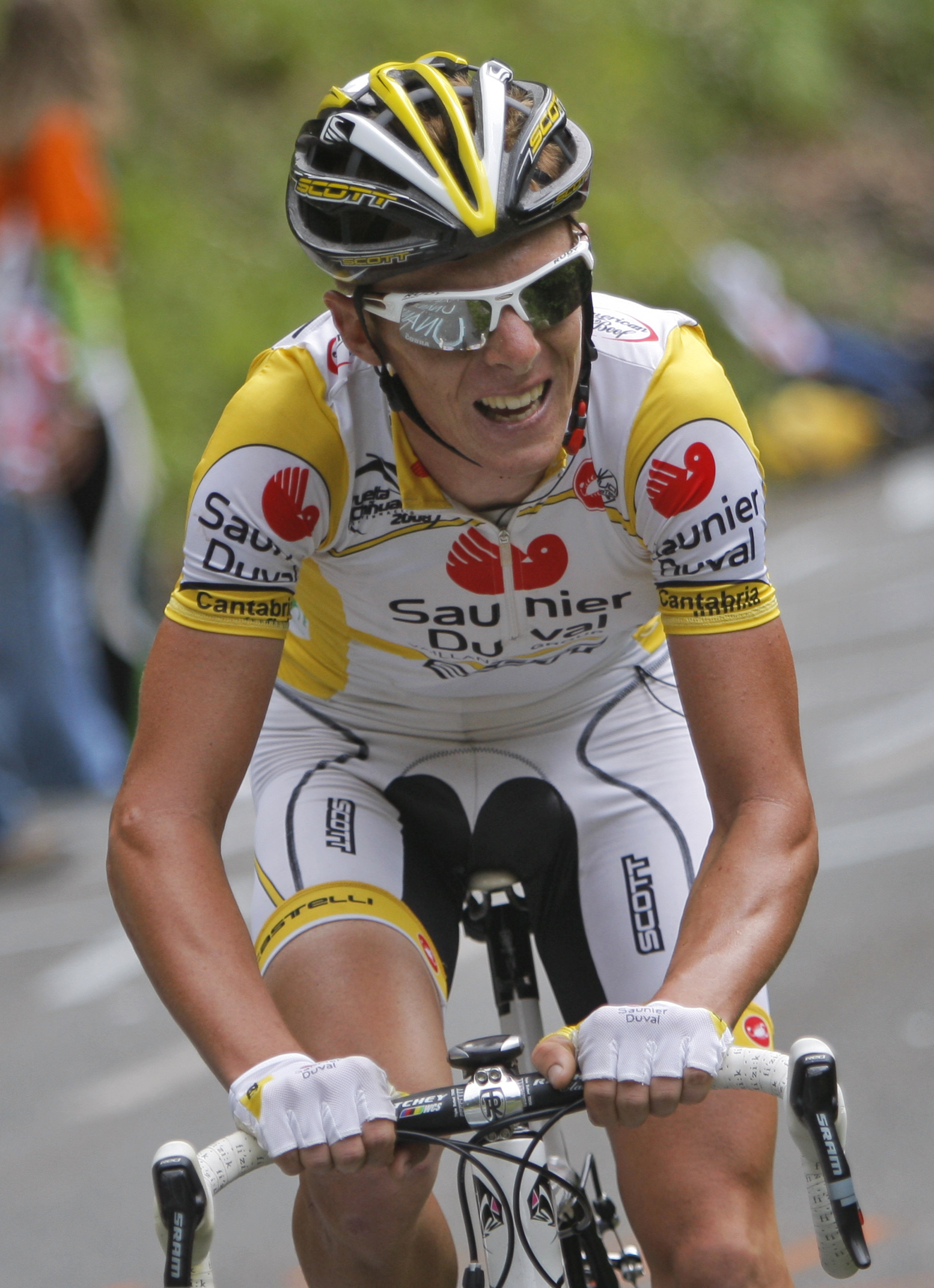
JAUSIERS, France – Cycling’s image is in tatters, and authorities inside and outside the sport are being tougher than ever on doping. Yet it hasn’t stopped the cheaters at the Tour de France.
Beyond ethics, it would seem to defy common sense for cyclists to break the rules in the middle of such a crackdown.
The lure of fame and fortune – embodied in the yellow jersey – are amazingly powerful, of course. But doping and cycling experts also say the cheating goes on because of a general disdain among riders and teams for the drug-testing process.
There’s the wink-wink encouragement of team managers, and no one to help them say “no.” Many believe there are plenty of loopholes in the anti-doping rules, and there’s a notion that technology is advancing so fast that drug testing can’t keep up.
Some scoff at the potential ill-effects of performance enhancers. Throw in the stresses of training for one of the world’s most demanding athletic events, and you’ve got an atmosphere conducive to cheating.
“They think they can get away with it,” said Dr. Ramsus Damsgaard, a leading Danish doping expert. “Whenever anybody presents them with a new substance, they feel comfortable using it.”
The credibility of cycling’s marquee event has once more been tarnished by doping cheats this year: Three riders were kicked out after testing positive for the banned blood booster EPO. Two of those – promising young rider Riccardo Ricco of Italy and Moises Duenas Nevado of Spain – spent a night in jail for police questioning.
France has enacted a law that makes possession of doping products illegal. The country’s anti-doping agency – not the International Cycling Union as in years past – is conducting checks at the Tour. The agency’s chaperones escort eight riders, including the stage winner and overall leader, to doping controls after every stage.
The riders who tested positive “thought the tests wouldn’t be rigorous. They got it wrong,” agency chief Pierre Bordry said. “I didn’t think they’d be so clumsy.”
In the Tour’s earliest days, riders juiced up on cocaine, wine, even strychnine, to get a lift in the nearly inhuman three-week race. The sport’s culture has historically fostered use of banned pick-me-ups. Since the old days, the racing calendar has grown, putting cyclists through even more strain.
“We don’t accept that champions can have a moment of weakness, which could push them to dope,” said Dorian Martinez, who runs the association Ecoute Dopage – a telephone hotline set up in France nine years ago to help athletes avoid doping and navigate complex sports rules. “The demand to excel is relentless, making a one-time decision to use drugs unlikely.”