
Pets need restraints
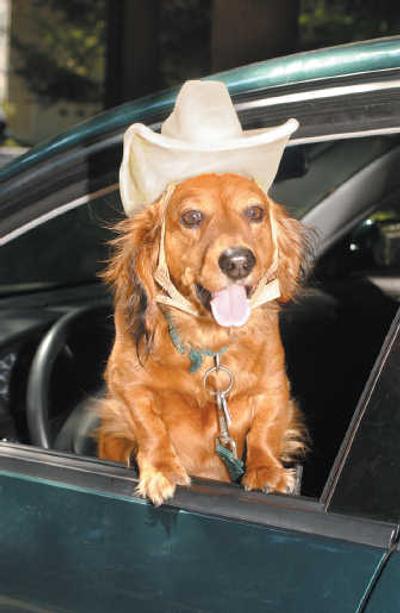
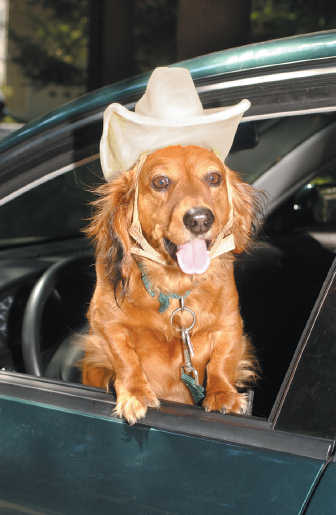
Traveling with a cat or dog loose in the car can result in accidents, runaway animals, and even death to pet and driver.
Christina Selter, founder of pet safety group BarkBuckleUp in San Diego, says these disasters can be avoided by using special devices that keep pets safely restrained.
The organization drew attention to the issue at a recent Volvo-sponsored exhibit at the Chicago Auto Show. Volvo, known for its safety efforts, offers factory-installed kennels for pets in its XC90 or V70 wagons, for instance. Other car companies are considering offering equipment aimed at pet safety, too.
A look at national statistics shows the potential impact and importance of restraining pets in vehicles. More than 67 percent of U.S. households own a pet, with 44.8 million owning a dog and 71 million owning a cat, according to the American Pet Product Manufacturers Association. About half of all those households have more than one pet. More than 29 million Americans say they have traveled with their pets in the past three years, according to the Travel Industry Association of America. That has been made easier thanks to an increasing willingness of hotels and resorts to take on a pet or two when families travel.
But just because it’s becoming more commonplace to take pets along on a trip doesn’t mean that it’s a good idea to let them roam free in the car.
“The image of your dog’s head rested out the window with its ears flapping in the wind is charming, but it can be very dangerous,” said Andrea Arden, pet expert and dog behavior columnist for The New York Dog and Dog Fancy magazines.
“It’s more than just pet safety here, remember. It’s also the human factor. A lot of people just don’t think about this,” Selter said. “You tell them it’s unsafe not to use pet restraints, and they’ll say, ‘Oh, but my dog stays in my lap and sits still. I’m not going far.’ But remember, most accidents happen within 10 miles of home.”
Those pet owners are taking terrible chances.
If there’s an accident in which the driver is traveling 30 miles an hour, a 60 pound dog can cause an impact of 2,700 pounds, slamming into a car seat, a windshield or another passenger, Selter said.
And just about any loud noise or sudden unusual happening can frighten or upset a pet, causing it to try to jump into the driver’s lap or at the driver’s feet.
And if the animal gets loose and jumps out of the car, a second accident can occur.
“If it does happen, and your pet caused it, now you’re responsible for that accident, too,” Selter said. “And if you are taken to the hospital, it’s likely that your dog or cat will go somewhere else, usually to an animal shelter, where the pet is likely to get even more stressed out. And when you go to retrieve your pet, there’s a daily fee you have to pay to get the pet out.”