
Lightning a forgotten, formidable foe
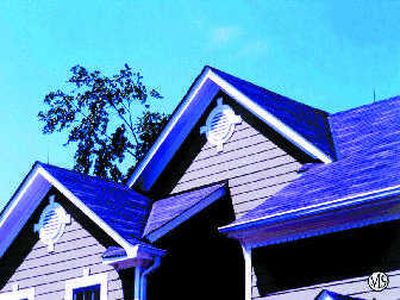

While most homeowners carry flood or fire insurance, a commonly overlooked problem is lightning. Though the chances of being struck by lightning might seem relatively small, lightning actually strikes more than 250,000 times per year, resulting in hundreds of millions of dollars in damages. According to the Insurance Information Institute, lightning caused roughly $882 million in insured losses in 2006, which marked a 20 percent increase over the previous three years. Those figures are expected to exceed $1 billion in 2008, making it more important than ever for homeowners to protect themselves against a visually engaging yet formidable foe.
According to the Lightning Protection Institute (LPI), understanding lightning is a good first step toward protecting oneself from its wrath.
•Lightning is not deterred by surge arresters, suppressors and “whole-house protectors.” Contrary to popular belief, surge protection devices cannot protect a structure against direct lightning strikes. While these devices are important components of a complete system to protect incoming utility lines against infiltration, on their own they do little to protect a home from lightning. However, when combined with a structural lightning rod system (air terminals, bonding and grounding) they can prove a valuable and effective means of protection.
•Lightning rods do not attract lightning. Another myth commonly associated with lightning is that lightning rods attract lightning. In fact, a lightning protection system acts more as an interceptor of lightning, rerouting a strike and providing a safe path to the ground for discharging the dangerous electricity.
•Tall trees do not protect homes from lightning strikes. The problem with a home nestled under a group of trees is where the best ground path for the lightning might be. Common metallic grounded systems within a home (electric, phone, gas, water) may provide a preferable grounding medium for the lightning. Therefore, lightning can actually “side-flash” from a tree and enter a home as it seeks a more conductive path to ground.
•Lightning likes technology, too. As the world becomes more and more tech-savvy, the losses from lightning strikes are increasing. Today’s homes and businesses have more electronic equipment than ever before, and metal building components are on the rise as well. Internal systems lead lightning toward more valuable, often irreplaceable items and people in close proximity.
What each of these points highlights, especially for homeowners looking to protect themselves from an often overlooked act of Mother Nature, is the importance of a lightning protection system. The system provides a low resistance path to safely intercept lightning’s dangerous electricity and direct it to ground without impact to the structure or its occupants.
While the DIY boom has increased the average homeowners’ confidence in tackling projects on their own, the LPI notes that installing a lightning protection system is one home improvement job that should be left to the professionals, who are fully aware of the safety standards established by Underwriters Laboratories and the National Fire Protection Association.
“It is important to have an experienced professional install the lightning protection system,” says Bud VanSickle, executive director for LPI. “Improper installation can lead to serious consequences, and in severe cases may be worse than not having protection at all.”
Recognizing the complexity involved with installing a lightning protection system and the potential repercussions of an improperly installed system, LPI certifies individuals through a Master Installer testing program and offers a list of certified contractors on its Web site.
For a list of certified contractors and other information regarding the national safety standards for lightning protection installation, visit the LPI Web site at www.lightning.org.