
Restless No More
A new wave of eco-sensitive bedding may be the answer to your elusive sweet dreams
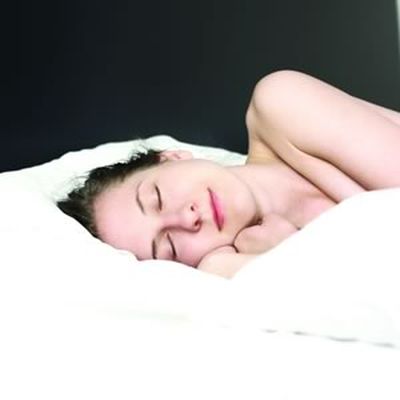

“There are a number of reasons why a person might want to make the switch from a conventional mattress to an eco-sensitive mattress,” says Sarah Barnard, a Los Angeles-based eco-friendly interior designer. “When we consider how much of our lives we spend in our bedrooms, and specifically how our bodies regenerate during sleep, it’s easily understood how a mattress made of petroleum-based materials is less than desirable.”
Many mattresses bought before 2004 may contain fire retardant chemicals that are known carcinogens. Mattresses treated for dust mites also may have been dipped in pesticides. Non-organic sheets may be treated with chlorine, while other bedding materials such as microfiber, polyester and goose down/feathers have also been found to irritate some people.
“A completely natural bed can often provide improved air quality and make a marked improvement for chemically sensitive people and/or people who suffer from allergies,” says Barnard.
The more popular eco-sensitive bedding solutions include organic wool (which is a natural fire retardant and inhospitable to dust mites), organic cotton (which is pesticide free), natural rubber, kapok (a fiber from tree pods that has a natural resistance to dust mites) and natural latex.
“Alternative materials are gaining popularity and are becoming easier to find,” says Barnard.
Mattress chains like Gardena, Calif.-headquartered Sit ‘n Sleep carry a limited selection, while a growing number of eco-boutique stores like Denizen Design Gallery in Los Angeles carry brands like Savvy Rest which offers a line of certified organic pillows and mattresses - one of which was recently purchased by one of Barnard’s clients.
“We can barely keep up with the demand,” says Laura Wallace, a spokeswoman for the Savvy Sleeper & Savvy Rest in Charlottesville, Va. “Just so far this year, we’ve added 18 or 19 new dealers in other states. Last year, we added 11.”
Wallace and Barnard offered several tips for shoppers looking for eco-sensitive bedding. For wool and cotton, Wallace says to look for certified organic. “Anybody can call anything ‘organic’,” Wallace says. “Petroleum is organic, for that matter. Does that mean you’d want to sleep in it?”
“If you have the option of a simple but very comfortable mattress made of natural rubber, wrapped in a casing made of organic wool fiber quilted between layers of organic cotton fabric, it’s a wonderful choice to make,” Wallace says.
Comfort is a very personal experience, Barnard adds. Natural latex mattresses, she points out, do have a somewhat different feel.
“Finding a balance between comfort, health and responsible purchasing can be tricky but is achievable,” Barnard says. “Ask around, read consumer surveys and make sure the bed that you purchase has an included ‘comfort exchange guarantee.’”