
Judy Koesel lived a generous life
Riverside resident was 4-H leader for 30 years, recognized by county, state for contributions
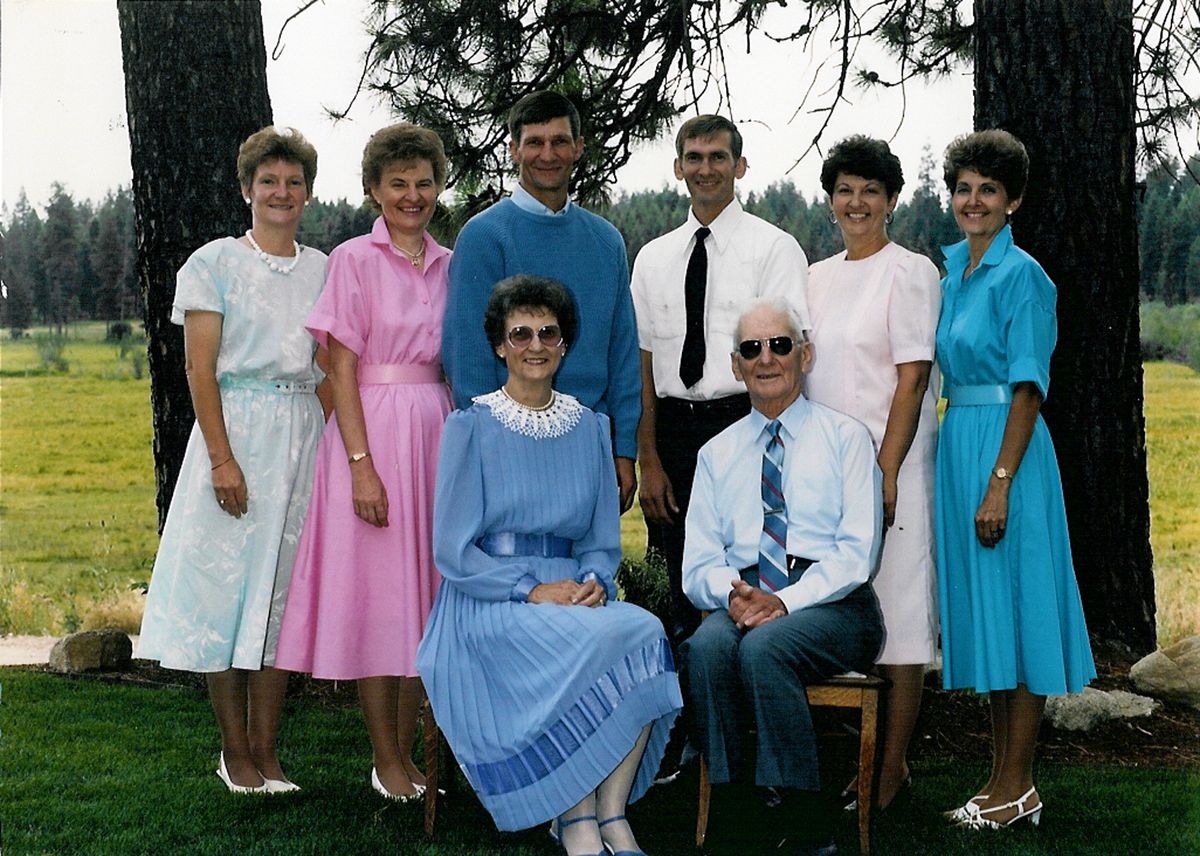
The name Judy Koesel characterizes the finest of attributes – good cheer, selflessness and dedication to the happiness of children. Of course, Koesel was ever-present, a dependable, gentle source of strength, especially during the harvest fairs in Eastern Washington. Her presence has been deeply missed this year. She died Jan. 13 at age 67 from a fall while clearing snow from her roof last winter. But her influence lives on.
Her parents, Raymond and Elaine Koesel, moved the family from North Dakota in 1951 when their oldest child, Judy, was 10 years old. The family now extends through four generations, largely still inhabiting the original farmlands 20 miles north of Spokane. Hard work came naturally to Judy, an extension of the hardy example of her parents. Her father was up at 5 a.m. to milk 25 dairy cows, at 7 drove the school bus, then walked over to the little Chattaroy lumber mill to work until 3 p.m., when he reversed the process. The concept of leisure time was unknown to the industrious family.
When Judy Koesel graduated from Riverside High School in 1958, she enrolled in Kinman Business University in Spokane. After a year of studies, she went to work for Washington Trust Bank in Spokane, driving the 30-minute commute, regardless of the weather, for 46 years. She rose to the position of senior trust auditor. Even during a bout with cancer five years ago, she never missed a day of work. She cherished her long association and many friends there. When she retired two years ago, 29 members of her family accompanied her on a celebratory Alaskan cruise, now a happy memory for all.
Work provided a living, but serving area youths through 30 years of being a 4-H leader made her life worth living. It began quite simply; when marriage and children didn’t happen for her, she devoted herself to her siblings, 16 nieces and nephews and their children. When they reached a certain age, it was time for them to learn to cook and sew. This became her way of being a mother. She had learned to sew from her mother and Mrs. Waldo, her favorite teacher. Before long she had four sewing machines and was picking up 4-H kids on her way home from work, guiding them patiently through projects that would intimidate experienced adults, and seeing to it they were ready for the fair. For example, Jacob Jasper, 10, sewed a pair of men’s wool slacks, inset pockets and all.
She taught them to be proud of having made something themselves, and she would challenge them with reading contests. “Be the best person you can be,” she would say. She kindly taught them not to become impatient when stitches had to come out. Then her hands would be right there beside the child’s when the seam was re-sewn, guiding and reassuring. When you walked into her home she would tell you not to take your shoes off because there were probably pins in the carpet.
When she wasn’t working with young people, she was often sewing quilts ahead of time for the babies that were sure to come, curtains, dress-up clothes for the little girls, wedding gowns or bibs. She collected dozens of totes full of fabric, so there would always be something to choose from. She would drive the club members to their activities, even the state fair when they placed and moved up in the competition. Once, she had to buy a bigger car to get everyone to Puyallup to the state fair.
She never missed an activity of one of her nieces or nephews. Throughout their youth, she kept a scrapbook for each of them, filling the pages with personally recorded stats, newspaper articles, pictures and memories. These were her graduation gifts to them. As they grew and began to have families of their own, she became the favorite baby-sitter. She was endlessly patient. If a child wanted to be pushed on the swing, she would do it until the little one was ready to quit, if it took an hour or more. She never said no. And when she left to go home she’d ask, “When can I come back?”
All of her work with youth naturally led into service for the area fairs, where she soon became a fixture in the clothing and quilting departments and the office. It seemed like no matter what time you went to the fair, she was there. She would come prepared to hand every official a small tote filled with pens, tape, paper clips, notepads, etc., “because you might need it.” When the Deer Park Fair moved to Clayton, she wore out two big tarps dragging them around the arena and filling them with weeds she pulled in the early morning hours. No act of service was too large or too small to warrant her attention, but she made little of it when people noticed. She even bought a used single-wide trailer just to store fair items – floor coverings, floral arrangements, totes full of wall coverings, etc. There was a new addition at the Clayton Community Fair this year – a metal bench crafted by Dr. John Harris – and dedicated to Judy Koesel’s memory.
4-H youths pledge their heads to clear thinking, hearts to greater loyalty, hands to larger service, and health to better living, for their club, community, country and world. There couldn’t be a better description of Koesel’s philosophy, and it filled her life with love. The more goodness she poured into others’ lives, the more came back to her. In 1995 she was named Spokane County’s Outstanding 4-H Leader of the Year, and in 2002 she received statewide recognition of her contribution to the youths of Washington state. The Volunteer Excellence Award she received at the time is the highest accolade that can be given at state level. It would be impossible to say how many young women and young men can today attribute their cooking and sewing skills to Judy Koesel, but each and every one had a great example in her.
One of them, Jessica Tennant, now 19, sews elaborate Renaissance and Civil War period costumes and attributes her beginnings to Koesel. Her mother, Cindy Tennant, says, “I don’t even know where to start with how wonderful she was. I know why those kids loved her so much.” She was quiet, never forceful, but she sure got things done.
For the last 15 years or so, she has led her family in catering special events for friends and colleagues. They did it to help, not because they made any money at it. They were highly in demand for wedding receptions and the like, and feeding a crowd of 400 didn’t faze them. Koesel had a big green van, so old the gas gauge didn’t work, but it was a welcome sight because it was always full of good food. She was the type who would just show up at a family work party to clean up and feed everyone. But she never asked a thing for herself. In fact, any giftcards she was given would usually go unused.
She had certain habits that helped her avoid trouble, such as replacing her car with a new one whenever it reached 100,000 miles. When she traveled on a plane everything she needed went into a carry-on – “You just never know what might happen,” she would say. She loved to grow things, stay up late at night reading novels and go on cruises. She attended services in Deer Park’s St. Mary’s Presentation Catholic Church without fail. When babies were born, she went to the hospital and took pictures, and by nightfall everyone in the family had a copy.
Of the many remembrances that have been spoken of her, perhaps nothing says it better than this: For Judy Koesel, everything she did was a labor of love.