
Baseball faces dilemma caused by its schedule
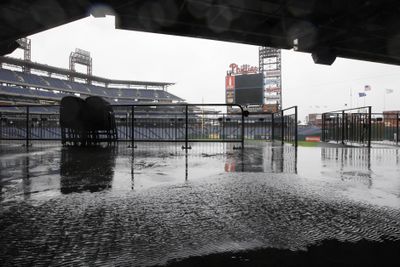
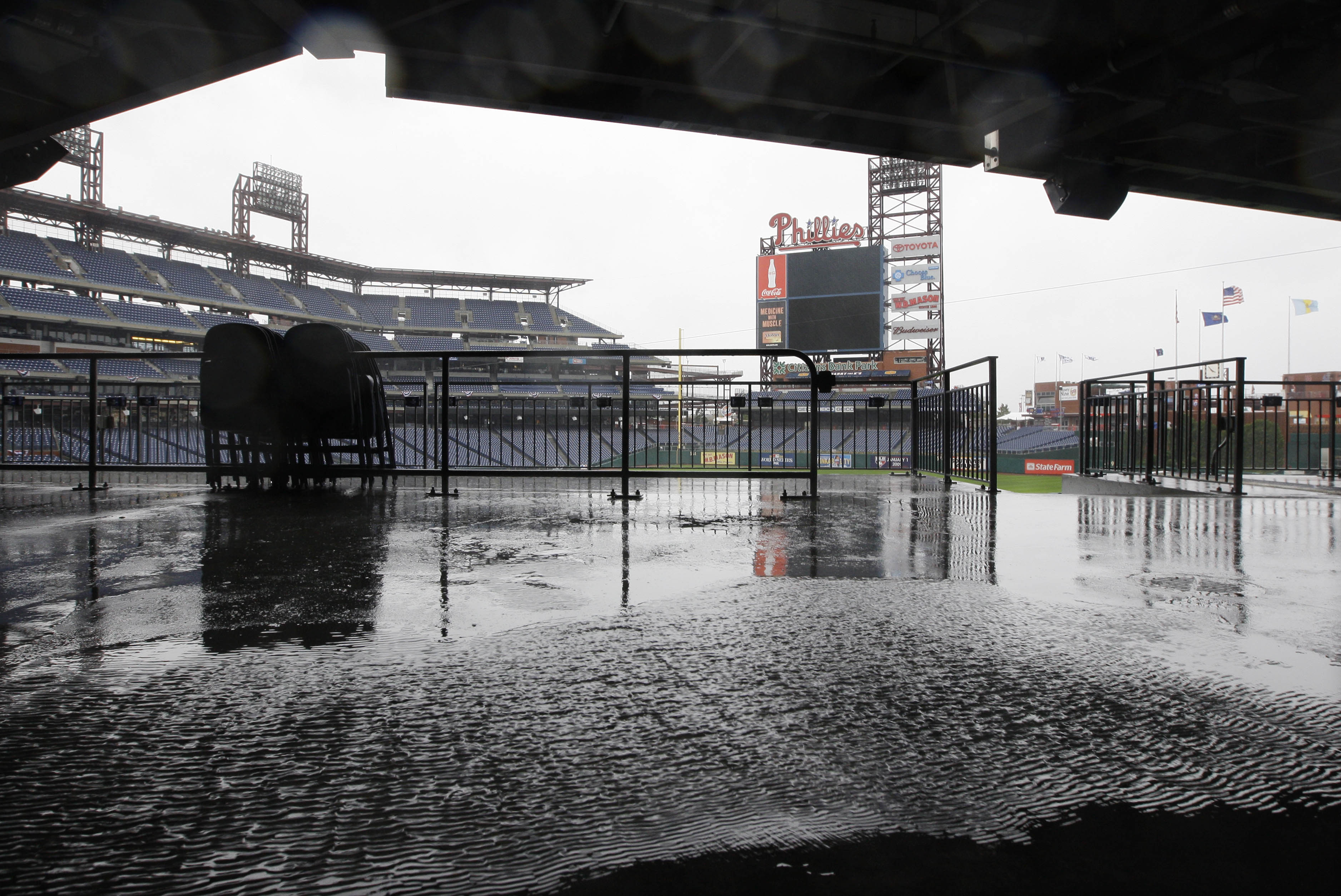
NEW YORK – This year’s World Series will be remembered for a rain delay that caused a game to end close to 2 a.m., a quagmire that led to a suspended game and a three-inning sprint to the finish.
Strange, indeed.
Still, Philadelphia against Tampa Bay also had its share of exciting moments, courtesy of some remarkable young players. For the first time in six years, the World Series produced three one-run games.
But no matter how entertaining the Series was at Tropicana Field and Citizens Bank Park, the audience at home largely tuned out. The 8.4 television rating was 17 percent less than the previous record low set two years ago. When the Phillies last won the title, in 1980, their six-game victory over the Kansas City Royals received a 32.8 rating.
An average of 14 percent of TVs in use tuned to this year’s Series. In 1980, the average was 56 percent.
“We had a very good rating yesterday. There’s no question that if the Series had gone further, the ratings would have gone up,” commissioner Bud Selig said Thursday from his Milwaukee office. He was referring to the 11.9 rating for the final innings of Game 5 Wednesday night.
Baseball is caught in a scheduling quagmire of its making, and Selig promised a full re-evaluation.
The regular season is locked in at 162 games over 183 days. There are three rounds of playoffs, and four extra off-days were added to the postseason format in 2007 to shift the Series opener from a Saturday to a Wednesday.
Next year’s schedule has been pushed back a week to accommodate the second edition of the successful World Baseball Classic. That means some teams may open spring training camps before Valentine’s Day and the seventh game of the Series wouldn’t be played until Nov. 5.
Owners don’t want to reduce regular-season games because they’d lose revenue. Players don’t want a shortened schedule because they’d have fewer chances to set records.
No one is interested in going back to the days where teams played a dozen doubleheaders. Management can’t afford single-admission twinbills, and day-night splits are among the things players detest most.
The World Series has had a changing-the-rules-on-the-fly quality about it. Selig told the teams that games would not be shortened to less than nine innings because of the weather. But he never told the fans.
If one team had been ahead in Game 5 when play was stopped, the longest rain delay in history would have begun. The teams were told to expect this shortly before the game began, but fans didn’t know.