
Brand sale a problem for prospective buyers
NEW YORK – If a battered corporation like General Motors doesn’t want its Saturn brand, is there any reason a new car buyer should?
The line is one of four being jettisoned as part of GM’s plan to emerge from bankruptcy as a leaner, more competitive automaker. The Saturn, Saab and Hummer are expected to be sold off, while Pontiac is being shut down entirely.
GM plans to move forward with four core brands – Buick, Cadillac, Chevrolet and GMC.
Even though the federal government is guaranteeing the warranties of all GM cars, buying a brand with an uncertain future raises some concerns. In particular, new car buyers might worry about the ease of replacing damaged parts and the resale value of a brand that’s no longer in production.
The historic restructuring could nevertheless present some bargains.
“(Some brands) are going to be priced aggressively and the value should be substantial,” said Gary Dilts, senior vice president of global automotive for J.D. Power and Associates.
Those interested in buying one of the cast-off brands might want to move quickly to get the color and model they want, since production has shut down for the foreseeable future.
Here are some risks to consider before heading to the dealership.
New parts
Finding replacement parts for Pontiacs shouldn’t be a problem, since so many of the car’s parts are also used in other GM models that will still be manufactured.
“The parts sharing is pretty rampant. The downside is that the brands don’t have much personality,” while the upside is almost all the parts will continue to be produced, said Karl Brauer, editor-in-chief of auto Web site Edmunds.com.
Automakers are also required to keep an inventory of parts for several years beyond the date of a car’s final existence, said Dilts of J.D. Power. That doesn’t mean some parts will simply vanish with time. Junkyards often salvage usable parts to circulate to vendors. And third-party manufacturers will likely continue building parts that are still in demand.
“And with the Internet, it’s a lot easier to locate those parts now,” Brauer said.
Replacing parts won’t be a problem, of course, if brands continue production under different owners. But a new parent company is no guarantee that a brand will survive.
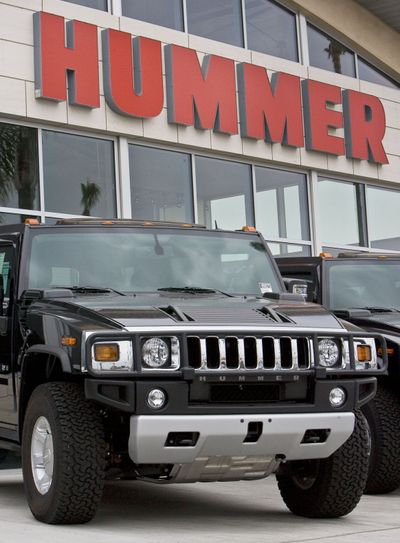
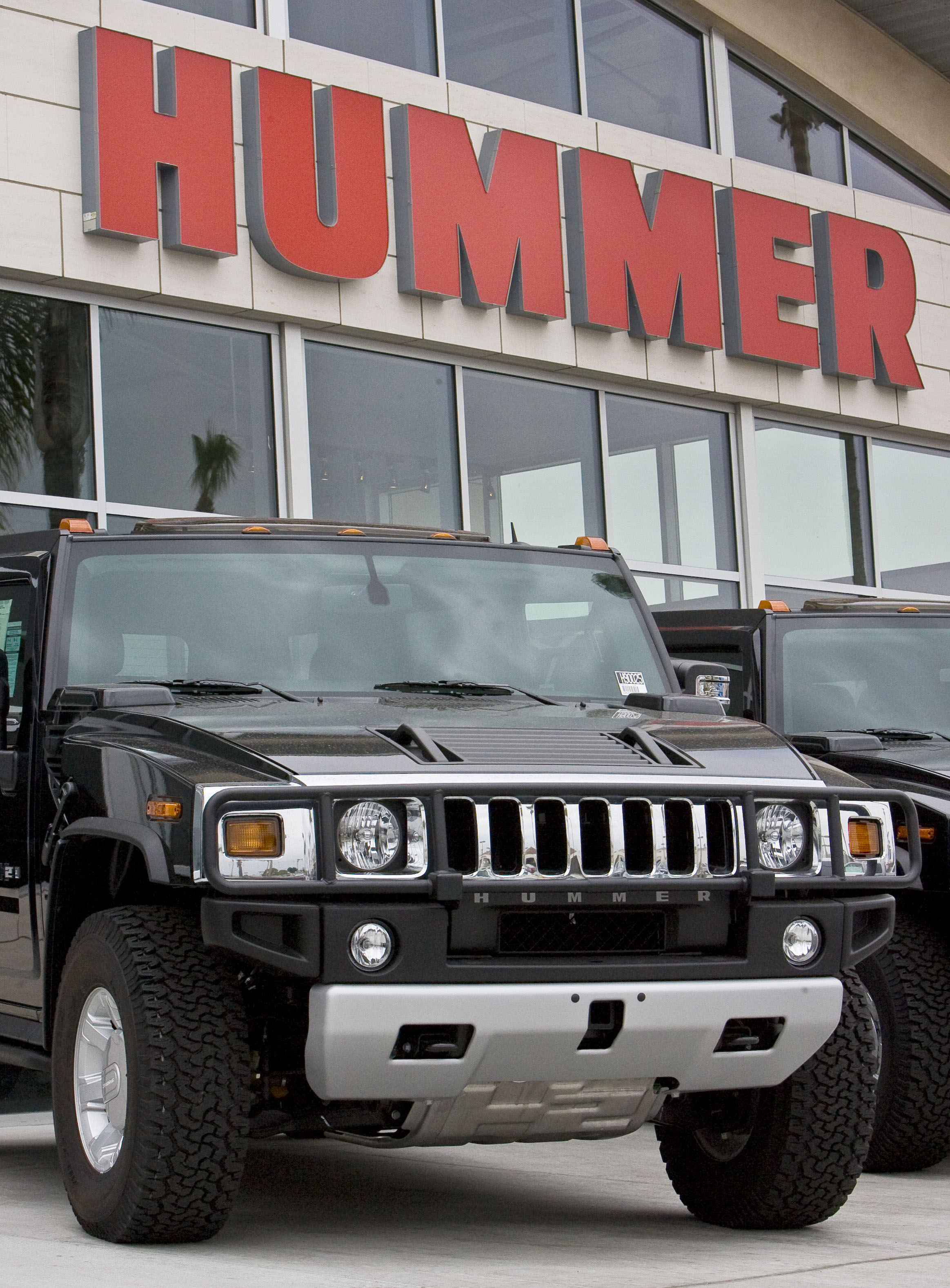
“Even a new buyer might not be able to keep the Hummer going. It’s a very targeted market that seems to be dying,” said Robert Wiseman, a professor who specializes in corporate governance and risk management at the Eli Broad College of Business at Michigan State University.
The eventual demise of a brand would be more of a concern with Hummers, since the parts are more distinct and not as easily interchangeable with those of other GM brands. The same might be true for select Saturn parts.
Saab, meanwhile, is a viable brand and has a lower risk of being discontinued, Wiseman said.
Servicing
Where car owners go for servicing would depend on whether the brand is shuttered or spun off.
For Pontiacs, servicing will continue at GM dealers. The catch is that the automaker has notified 1,100 dealers that their contracts won’t be renewed next year, meaning vehicle owners might need to travel farther depending on where they live.
The implications for brands that are spun off are less clear.
Servicing would likely be wherever the car was purchased, said Brauer of Edmunds.com. So those who bought Saturns at GM dealers in the past year might continue going to those dealers for repairs. Those who buy Saturns at new dealers going forward would go to those dealers for service.
Such details are still up in the air. GM has not yet confirmed buyers for the three brands, although it said a deal for Hummer was imminent and one for Saturn should be announced within weeks.
Resale value
A final consideration is how much the car will be worth after a few years. The average GM owner trades his or her car in after 5.2 years, according to Edmunds.com.
“Most people aren’t going to drive the car into the ground. They want something they can resell,” Wiseman said.
But the resale value on a failed brand will likely be significantly lower, he said. That could be true even if the car is in top condition and there are no issues with replacing the parts.
The mere stigma of a brand no longer in production could diminish the value greatly.
“Although someone might like the novelty of it,” said Wiseman, “like buying the last DeSoto.”